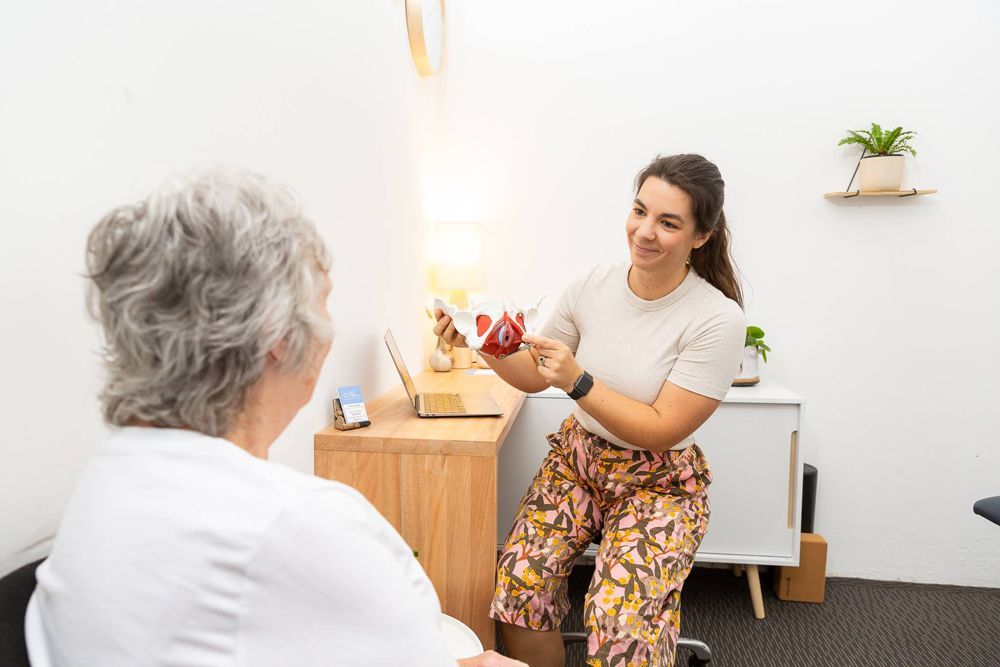
The Role Of Osteopathy In Pelvic Health For Women In Wollongong
Pelvic health concerns often develop quietly. They may begin as mild discomfort through the hips or lower back, a sense of instability during movement, or persistent tension that feels difficult to explain. For many women, these changes are linked to life events such as pregnancy, postpartum recovery, hormonal transitions, or long periods of sitting and repetitive movement. Over time, the body adapts, sometimes in ways that place extra strain on the pelvic region.
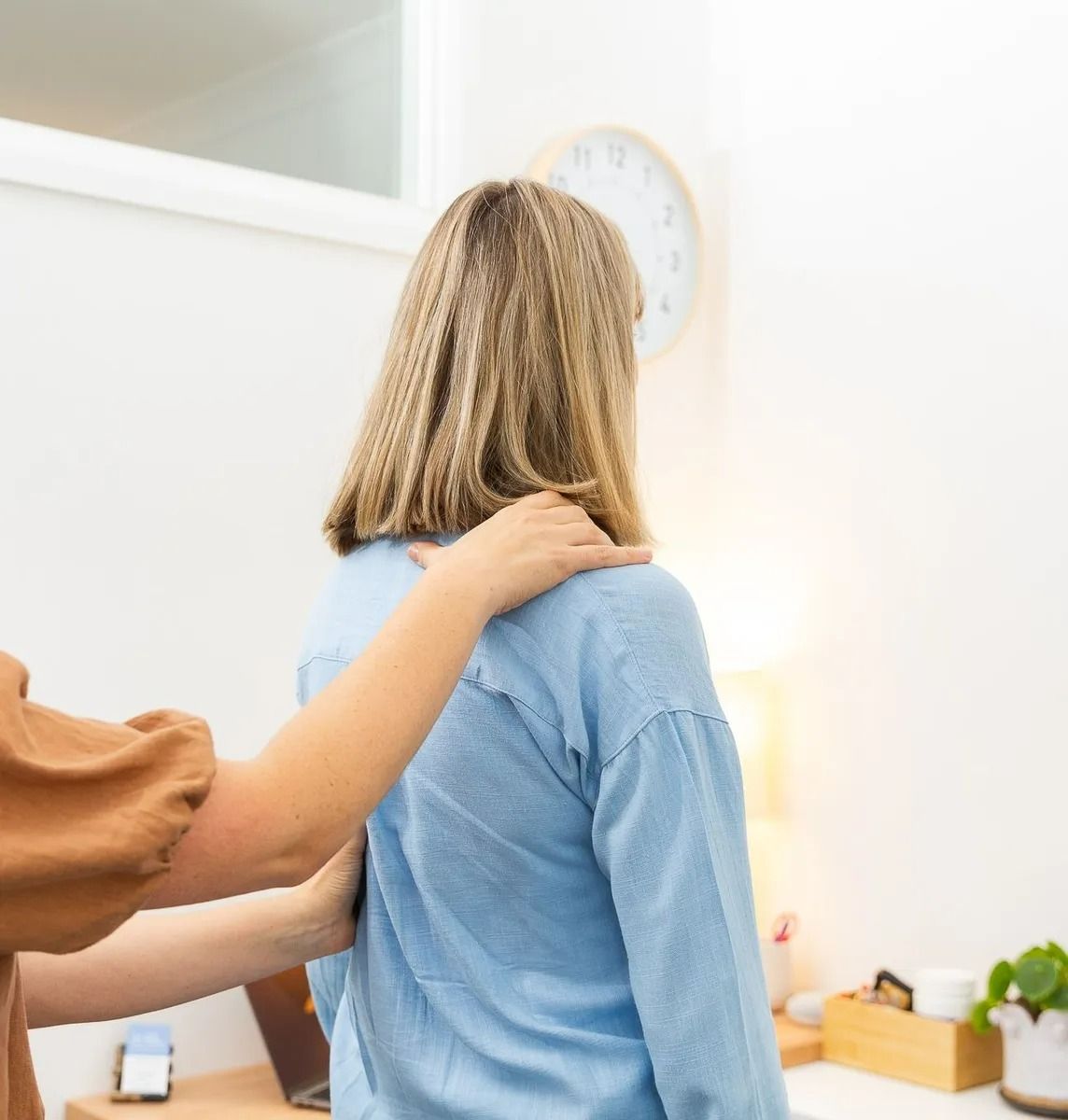
Osteopathy offers a considered and supportive pathway for addressing these issues. By focusing on how the pelvis interacts with the spine, hips, muscles, and nervous system, women’s health and pelvic health osteopathy aims to improve movement, balance, and physical confidence. This approach is non-invasive, tailored, and grounded in a whole-body understanding of musculoskeletal health.
Pelvic Health as Part of the Bigger Picture
The pelvis sits at the centre of the body, acting as a structural and functional link between the upper and lower halves. It supports internal organs, contributes to posture, and plays a role in core stability and movement efficiency. When the pelvis is not moving well, the effects can be felt well beyond this area.
Osteopathy views pelvic health as part of an interconnected system rather than an isolated concern. Restrictions or imbalances in the spine, hips, or surrounding soft tissues can alter how load is transferred through the body, contributing to discomfort or reduced function over time.
From this whole-body perspective, care often considers:
- How posture and spinal alignment influence pelvic load
- The relationship between hip mobility and pelvic stability
- Patterns of tension or compensation that develop gradually
Addressing Pelvic Pain Through Musculoskeletal Care
Pelvic pain can present in different ways, ranging from sharp discomfort to ongoing aching or tightness. In many cases, it is influenced by musculoskeletal factors such as joint stiffness, muscle imbalance, or reduced circulation through the pelvic region. These contributors may not be immediately obvious, especially when pain has developed slowly.
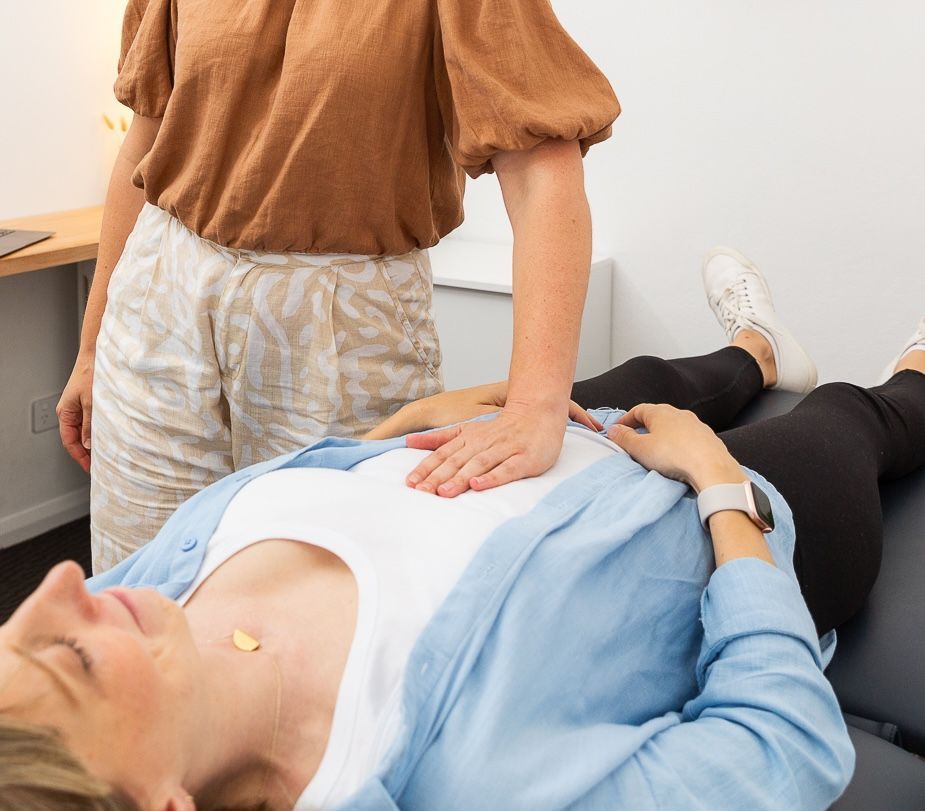
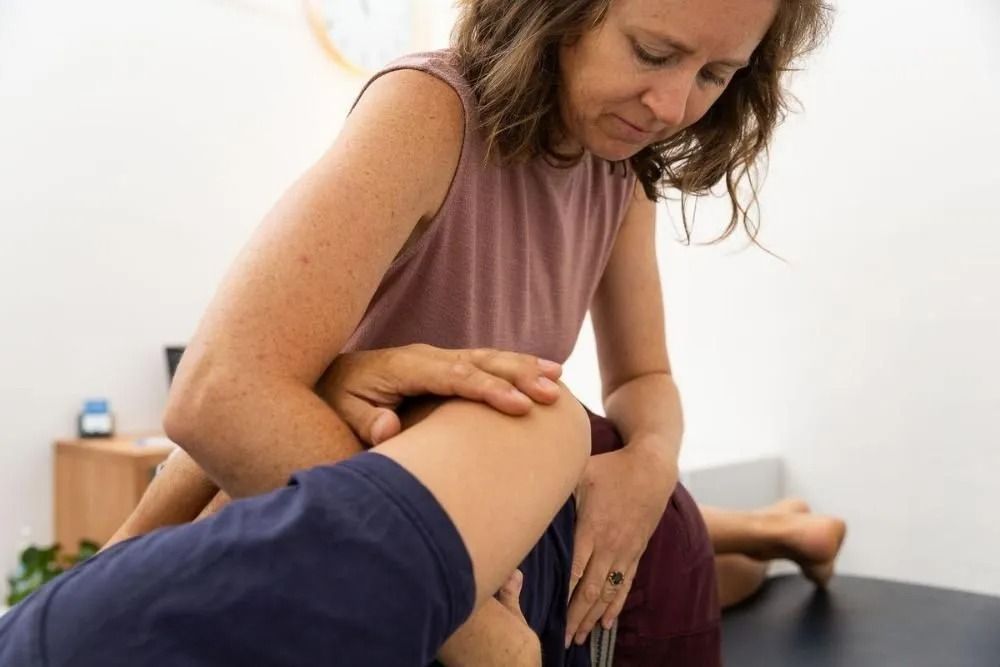
Women’s health and pelvic health osteopathy focuses on identifying and addressing these underlying factors. Gentle manual techniques are used to improve joint mobility and soften areas of excessive tension, supporting more balanced movement.
This approach may involve attention to:
- Stiffness in the sacroiliac joints or lower spine
- Overactive muscles compensating for weakness elsewhere
- Reduced movement patterns that place strain on the pelvis
Postural Changes During Pregnancy
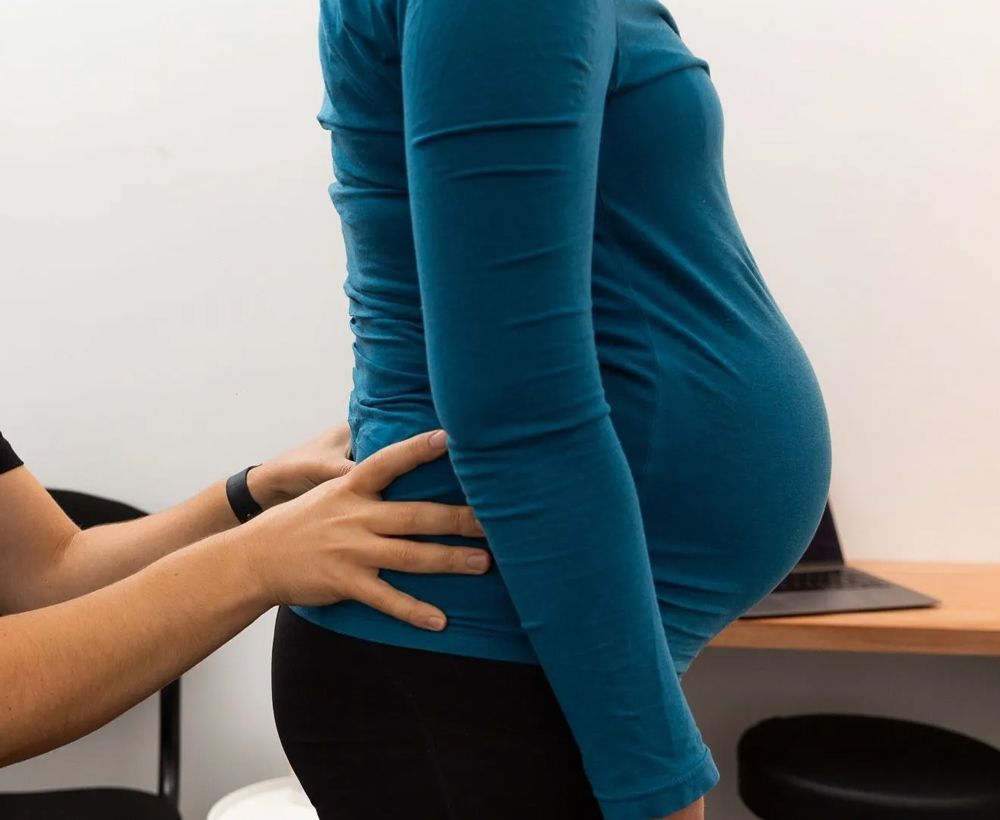
Pregnancy introduces significant physical change as the body adapts to support a growing baby. The centre of gravity shifts, the pelvis widens, and hormonal influences increase joint flexibility. While these changes are natural, they can still place pressure on the lower back, hips, and pelvic region.
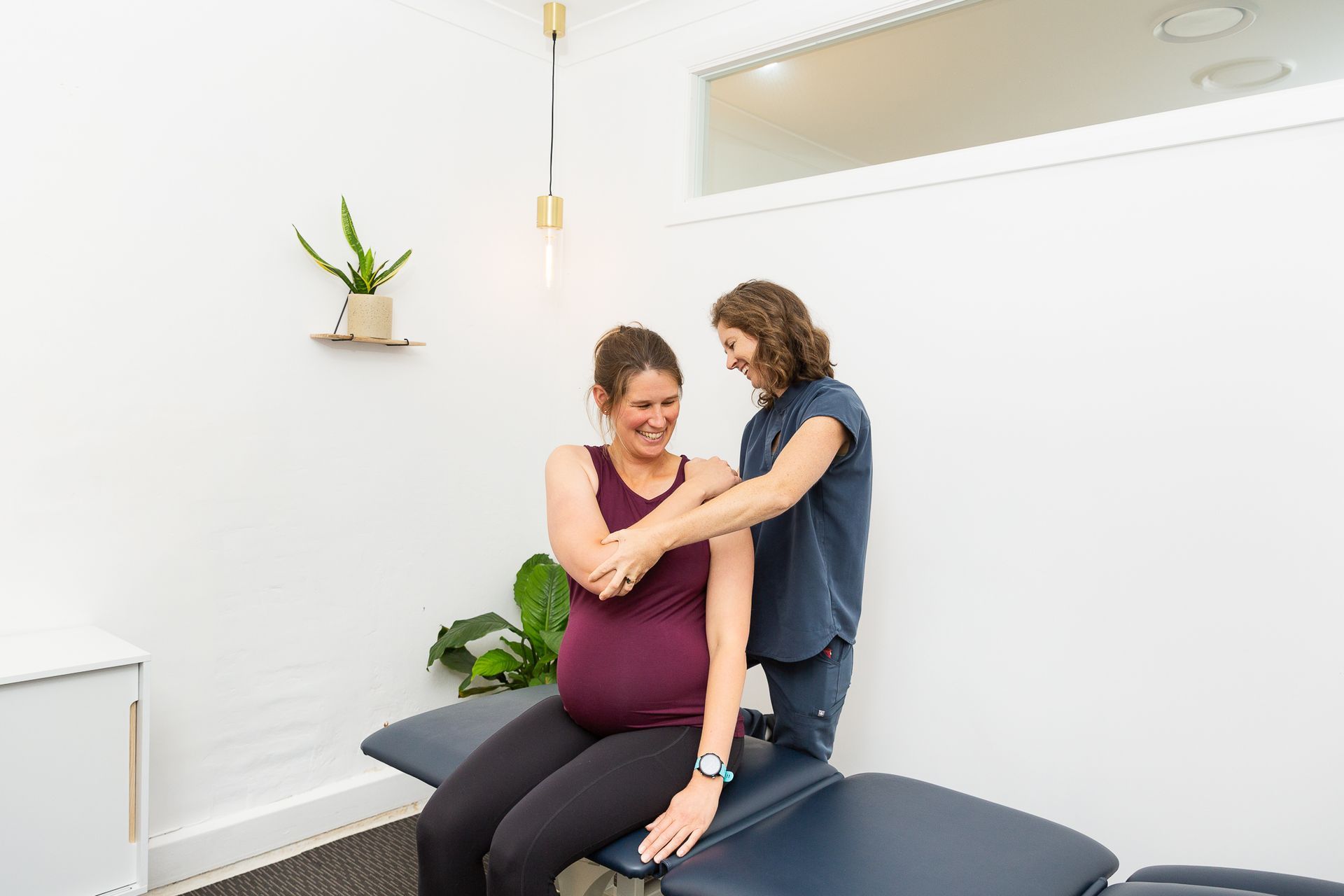
Osteopathy during pregnancy aims to support comfort and mobility as these changes occur. Treatment is gentle and adapted to each stage, with careful consideration of positioning and technique. The goal is to help the body move more freely and efficiently as demands increase.
Common areas of focus include:
- Reducing postural strain through the lower back and hips
- Supporting thoracic and rib mobility to assist breathing
- Encouraging balanced movement as weight distribution changes
Supporting the Body After Birth
Following childbirth, the body enters a recovery phase that can last well beyond the early postpartum period. Muscles that have been stretched or underused need time and support to regain coordination, while joints that have adapted during pregnancy begin to stabilise again. Daily tasks such as lifting, feeding, and carrying can add further strain during this time.
Women’s health and pelvic health osteopathy can play a role in this transition by addressing musculoskeletal imbalances and supporting a gradual return to movement. Care is individualised and respectful of healing timelines, recognising that recovery looks different for each person.
Postpartum support often includes:
- Improving coordination between the pelvic floor and core
- Addressing back or pelvic discomfort related to daily demands
- Supporting confidence in movement as activity levels increase
Pelvic Floor Function and Everyday Activities
The pelvic floor works in close coordination with breathing, posture, and core stability. Rather than functioning in isolation, it responds dynamically to movement, load, and pressure changes throughout the day. When this coordination is disrupted, everyday activities can feel uncomfortable or tiring.
Osteopathy considers how the pelvic floor interacts with surrounding muscles and joints. By improving mobility and balance elsewhere in the body, it can become easier for the pelvic floor to function as part of an integrated system.
This may involve exploring:
- The relationship between breathing patterns and pelvic pressure
- Balance between strength and relaxation in supporting muscles
- How habitual movement patterns influence pelvic load
A Gentle and Non-Invasive Treatment Approach
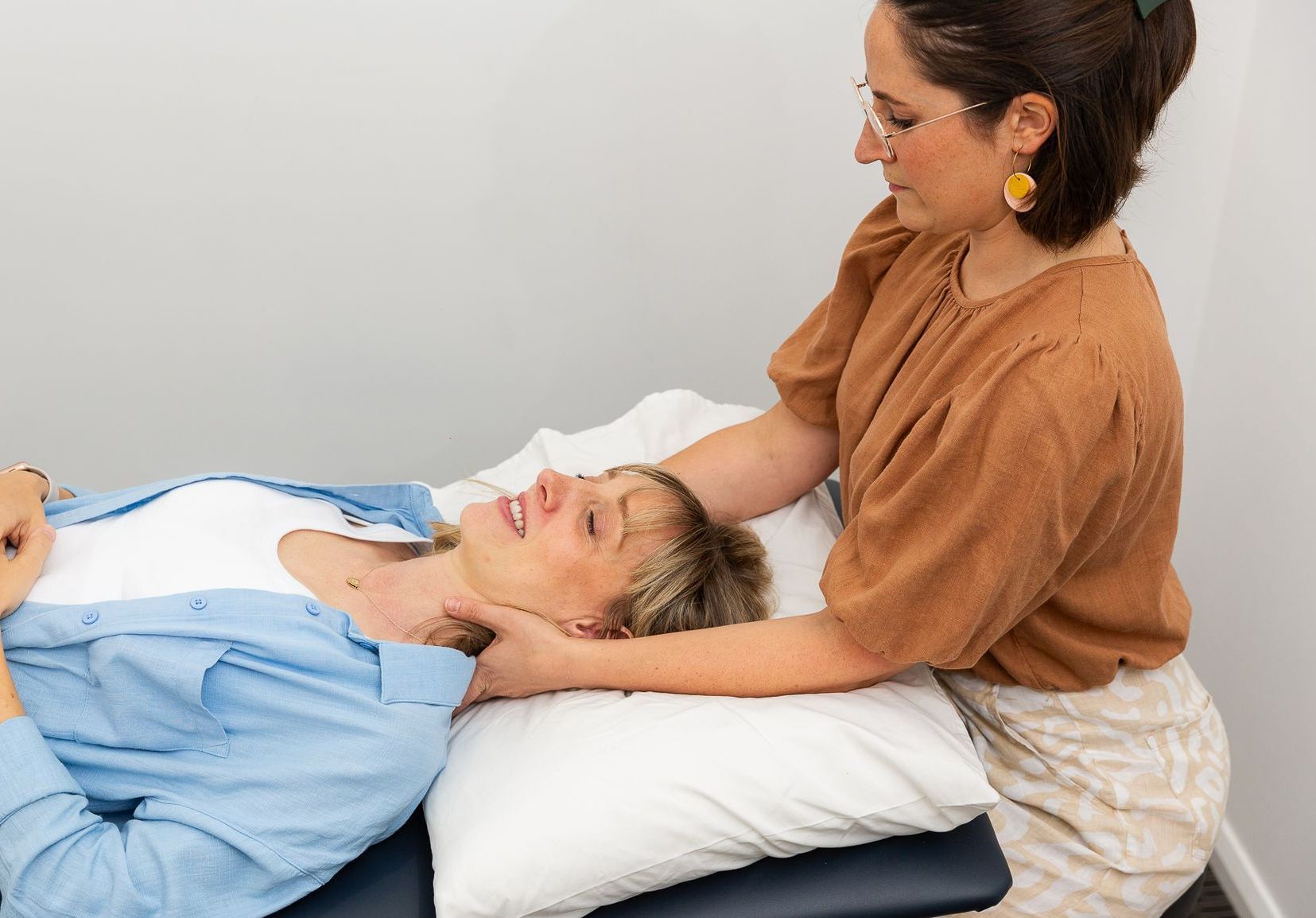
One of the key features of osteopathy is its non-invasive nature. Techniques are hands-on but gentle, with care adapted to individual comfort levels and health history. This approach is well-suited to women seeking supportive care that prioritises safety, communication, and informed decision-making.
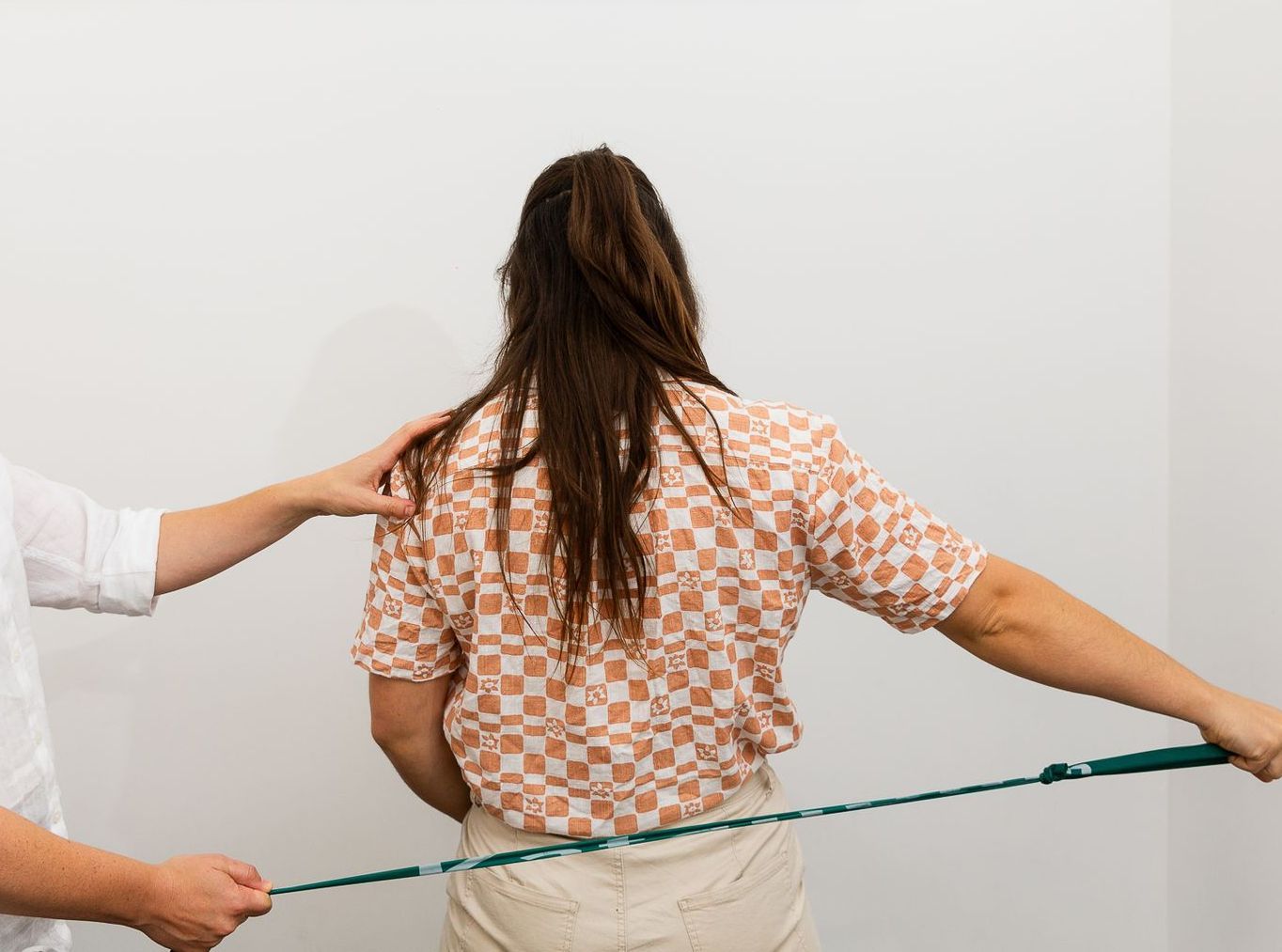
Treatment plans are shaped around individual needs rather than standard protocols. Sessions may also include guidance on posture, movement, or activity modification to support progress beyond the treatment room.
An individualised osteopathic approach may include:
- Manual techniques tailored to sensitivity and tolerance
- Education around movement habits and body awareness
- Collaborative care with other health professionals when needed
Education as a Foundation for Long-Term Pelvic Health
Understanding how the body responds to physical stress and change is a valuable part of pelvic health care. Education helps women recognise patterns that may be contributing to discomfort and empowers them to make informed choices about their wellbeing.
Rather than focusing solely on symptom relief, osteopathy places importance on building awareness and confidence in movement. This supports sustainable changes that align with everyday life and personal goals.
Educational discussions often explore:
- How work, exercise, and daily routines affect pelvic health
- Practical strategies for managing physical demands
- Realistic expectations around recovery and adaptation
When Women Seek Pelvic Health Osteopathy
Pelvic health concerns can arise at different stages of life and for different reasons. Some women seek care for ongoing discomfort, while others are navigating physical changes or looking to improve movement and function proactively.
Women’s health and pelvic health osteopathy may be considered when:
- Pelvic, hip, or lower back discomfort affects daily life
- Physical changes during or after pregnancy feel challenging
- A holistic and supportive approach to musculoskeletal care is preferred
For those exploring this type of care, learning more about women’s health and pelvic health osteopathy services can provide helpful context and clarity around what to expect.
Book an Appointment Today
We at Align Health Therapies provide women’s health and pelvic health osteopathy with a focus on thoughtful, individualised care. If you are seeking an osteopath in Wollongong who understands the physical demands of daily life in coastal communities such as Woonona and the surrounding areas, we invite you to take the next step. Visit https://www.alignhealththerapies.com.au to contact us or book an appointment and begin your journey towards improved comfort, mobility, and confidence in your body.