Common Causes Of Musculoskeletal Pain & How An Osteopath Can Help
Musculoskeletal pain rarely appears without reason. It often develops gradually through everyday habits, previous injuries or ongoing physical strain before it becomes hard to ignore. Many people searching for an osteopath in Wollongong typically do so once discomfort starts affecting their sleep, work performance, or ease of movement. Early signs are often subtle, such as stiffness, reduced flexibility or recurring aches that come and go. Understanding what causes pain is a crucial first step toward managing it effectively and reducing the likelihood of it recurring over time.
Pain management works best when the whole body is considered rather than focusing only on symptoms. Osteopathic care takes a broader approach, recognising how muscles, joints and movement patterns interact. This helps people understand why pain occurs and how targeted treatment can support lasting relief and improved function.
When Everyday Posture Starts Working Against Your Body
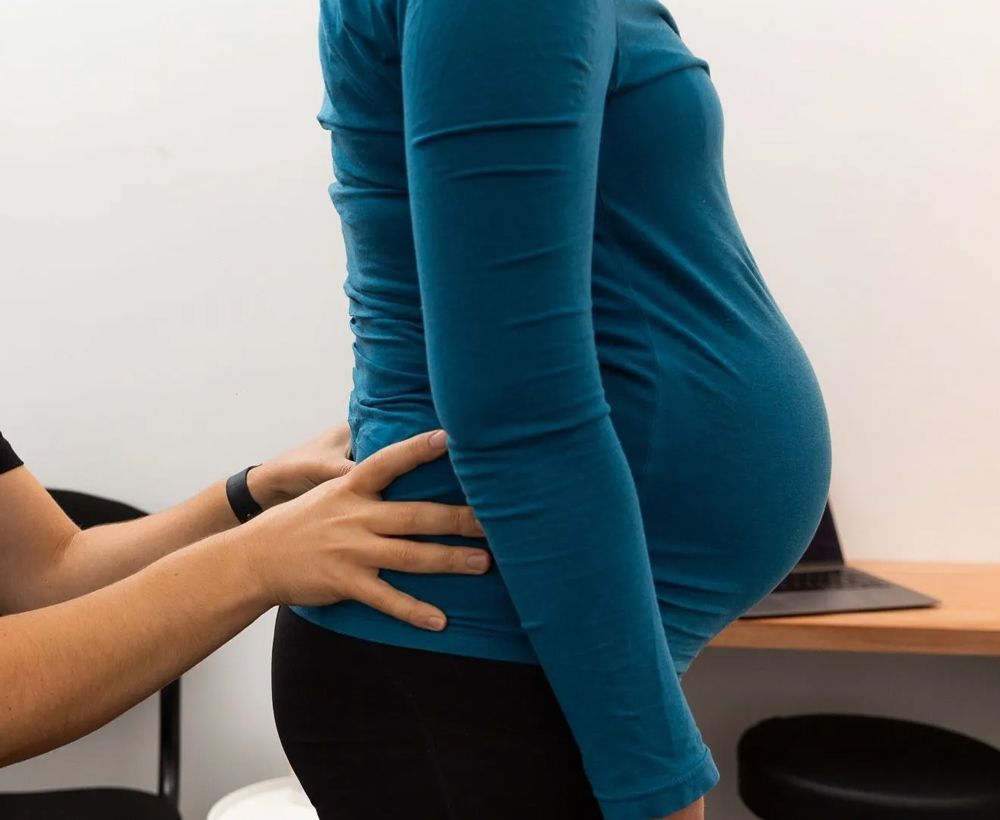
Posture plays a significant role in musculoskeletal health. Long hours spent seated, frequent device use and repetitive daily movements can gradually place strain on muscles, joints and connective tissue. These habits often develop over time without obvious discomfort, until stiffness, tension, or pain become persistent and begin to interfere with daily activities. Poor posture can also reduce circulation and limit joint mobility, compounding discomfort over time.
Common contributors include:
- Slouched sitting at desks or on couches
- Forward head posture from prolonged screen use
- Uneven weight distribution while standing
An osteopathic assessment examines the immediate area of pain to identify postural imbalances that impact overall movement. By addressing these underlying issues, treatment supports better alignment, improved posture awareness and reduced unnecessary strain throughout the body.
Overuse Injuries Aren’t Just for Athletes
Overuse injuries don’t only affect people who train intensely. Repetitive tasks at work, regular household duties or recreational hobbies can gradually overload muscles, joints and connective tissue. Without adequate recovery time, this ongoing stress may lead to inflammation, stiffness and reduced mobility that worsens with continued activity. Overuse pain often develops slowly, making it easy to dismiss until daily movement becomes uncomfortable or restricted.
Examples of overuse strain include:
- Repetitive lifting or manual handling
- Prolonged standing or walking
- Repeated gripping or fine motor tasks
Osteopathic care focuses on reducing excess load, improving joint mechanics and supporting tissue recovery. Treatment also considers movement patterns and activity habits, helping manage pain while addressing the underlying causes rather than only responding once symptoms escalate.
How Old Injuries Can Create New Pain Patterns
Previous injuries can influence how the body moves long after healing appears complete. Even when pain has settled, the body may continue to compensate to protect the previously injured area. Over time, these altered movement patterns can place added strain on other muscles and joints, contributing to discomfort that seems unrelated to the original injury. This is a common reason pain reappears months or years later.
Long-term effects may include:
- Altered walking or lifting mechanics
- Muscle imbalances around healed injuries
- Joint stiffness affecting surrounding regions
An osteopathic clinic in Wollongong assesses how the entire body moves, not just the painful area. By identifying compensation and restriction, treatment supports improved balance, mobility and coordination, helping reduce strain and lower the risk of pain developing in new areas.
Stress & Tension: The Hidden Drivers of Physical Pain
Stress doesn’t only affect mental wellbeing; It often shows up physically through muscle tension, shallow breathing and reduced movement. When the body remains in a heightened state for extended periods, muscles can stay partially contracted, limiting circulation and flexibility. Over time, this ongoing tension may contribute to headaches, neck pain and generalised discomfort that feels difficult to pinpoint or relieve.
Physical responses to stress include:
- Tightness through the shoulders & jaw
- Reduced spinal flexibility
- Heightened sensitivity to pain
Osteopathic treatment promotes relaxation of tense tissues, encourages improved breathing patterns, and facilitates nervous system regulation. By addressing both physical strain and stress-related contributors, care helps reduce pain intensity, restore movement and support more sustainable recovery in daily life.
Why Pain Often Shows Up Away From the Real Problem
Pain is not always felt in the same location as the issue originates. Restrictions or dysfunction in one area can refer discomfort elsewhere, making diagnosis challenging without a comprehensive assessment.
Referred pain examples include:
- Hip restrictions contributing to lower back pain
- Neck tension causing headaches
- Foot mechanics affecting knee discomfort
Osteopathy considers these connections carefully. A detailed assessment helps trace pain back to its source, ensuring treatment targets the underlying cause rather than just the location of symptoms.
The Osteopathic Approach to Pain Management
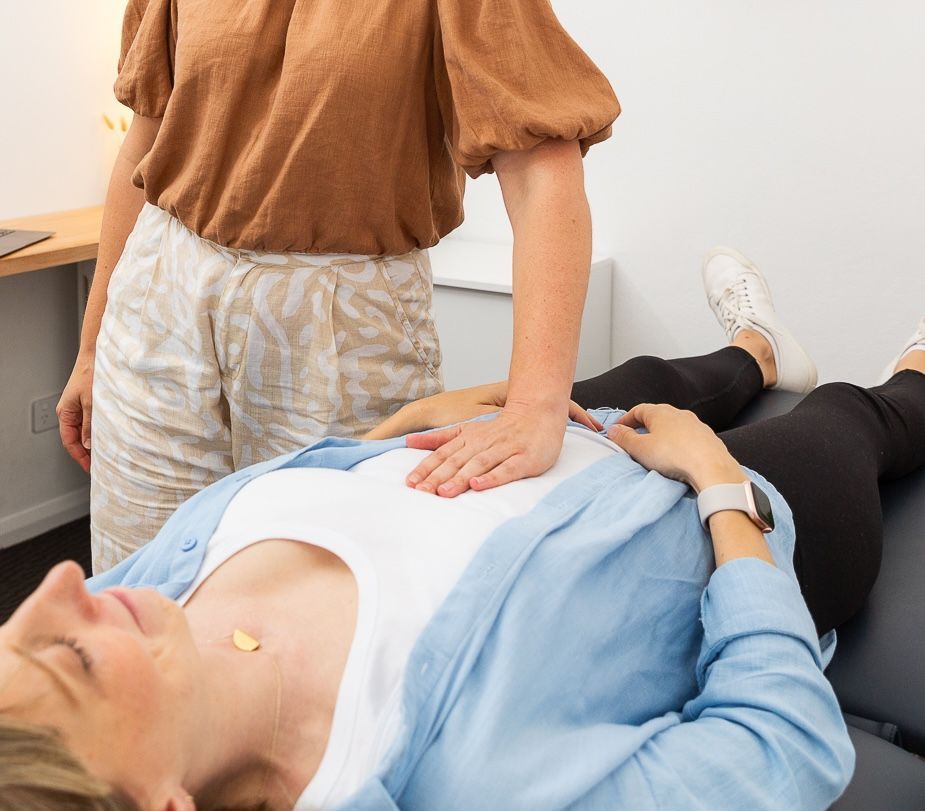
Osteopathy focuses on how structure and function work together to maintain overall health. Treatment is tailored to individual needs, recognising that no two bodies respond the same way to stress or injury.
Osteopathic care may include:
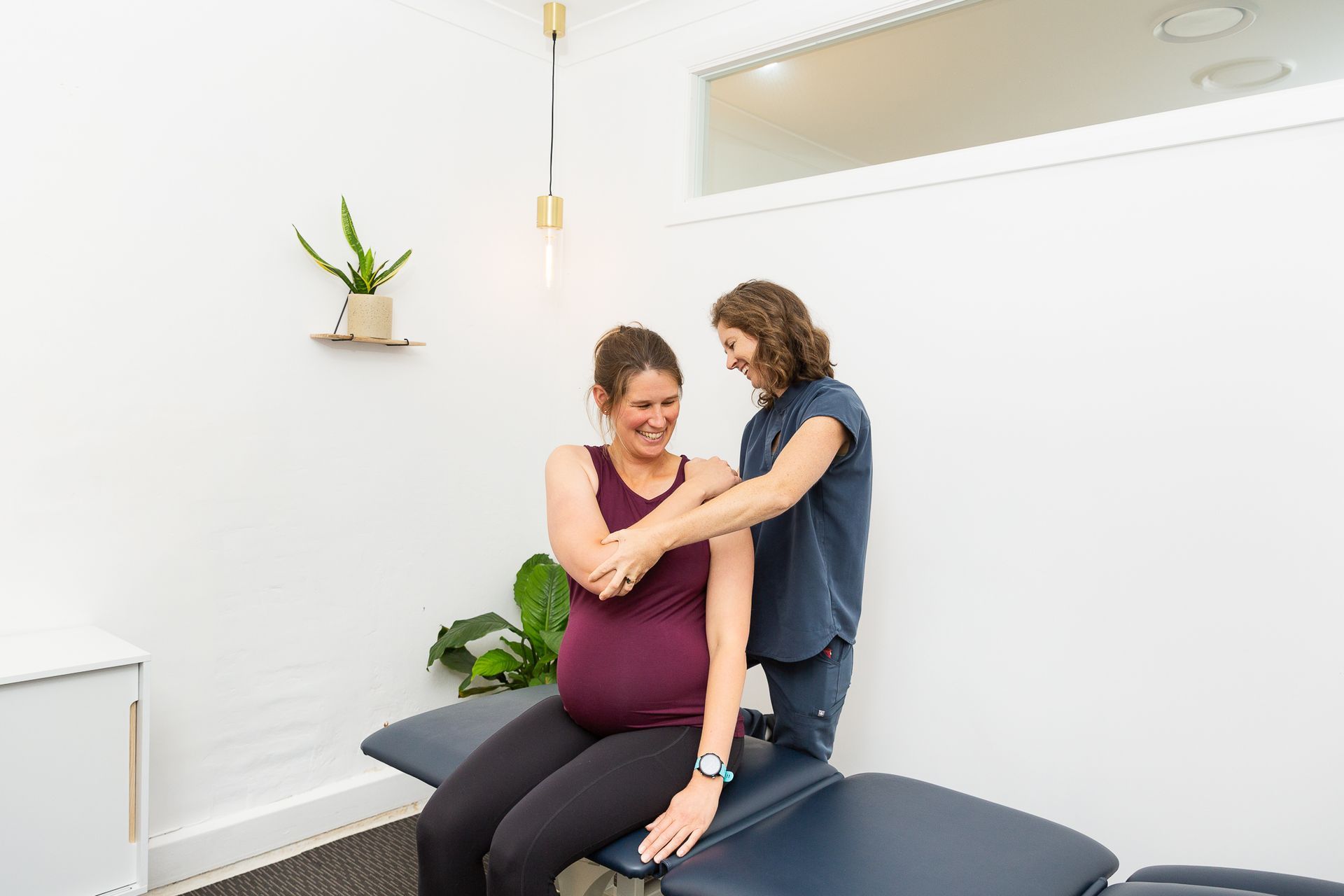
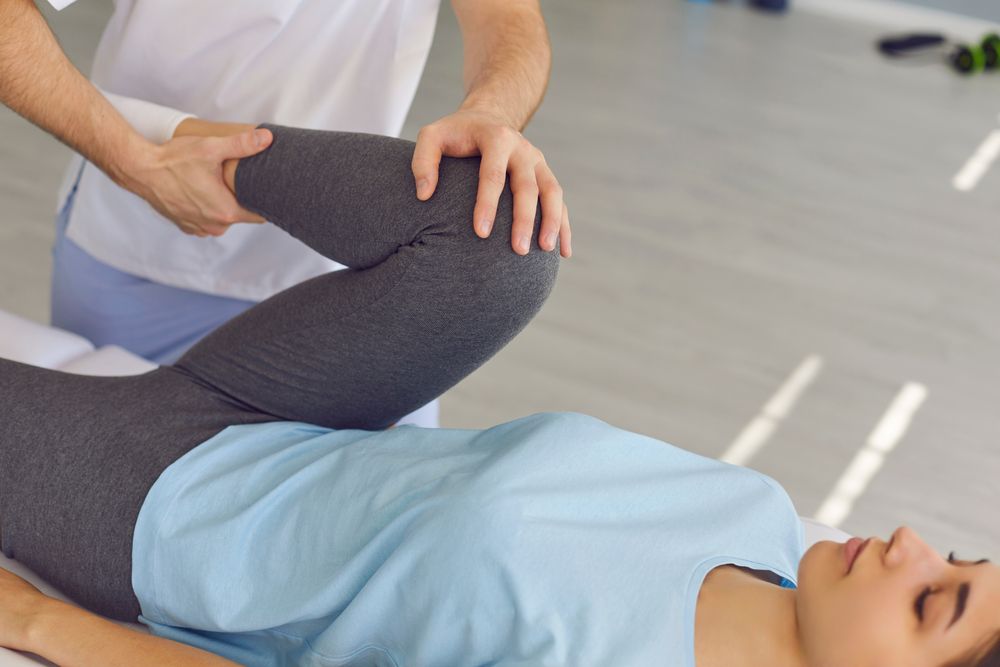
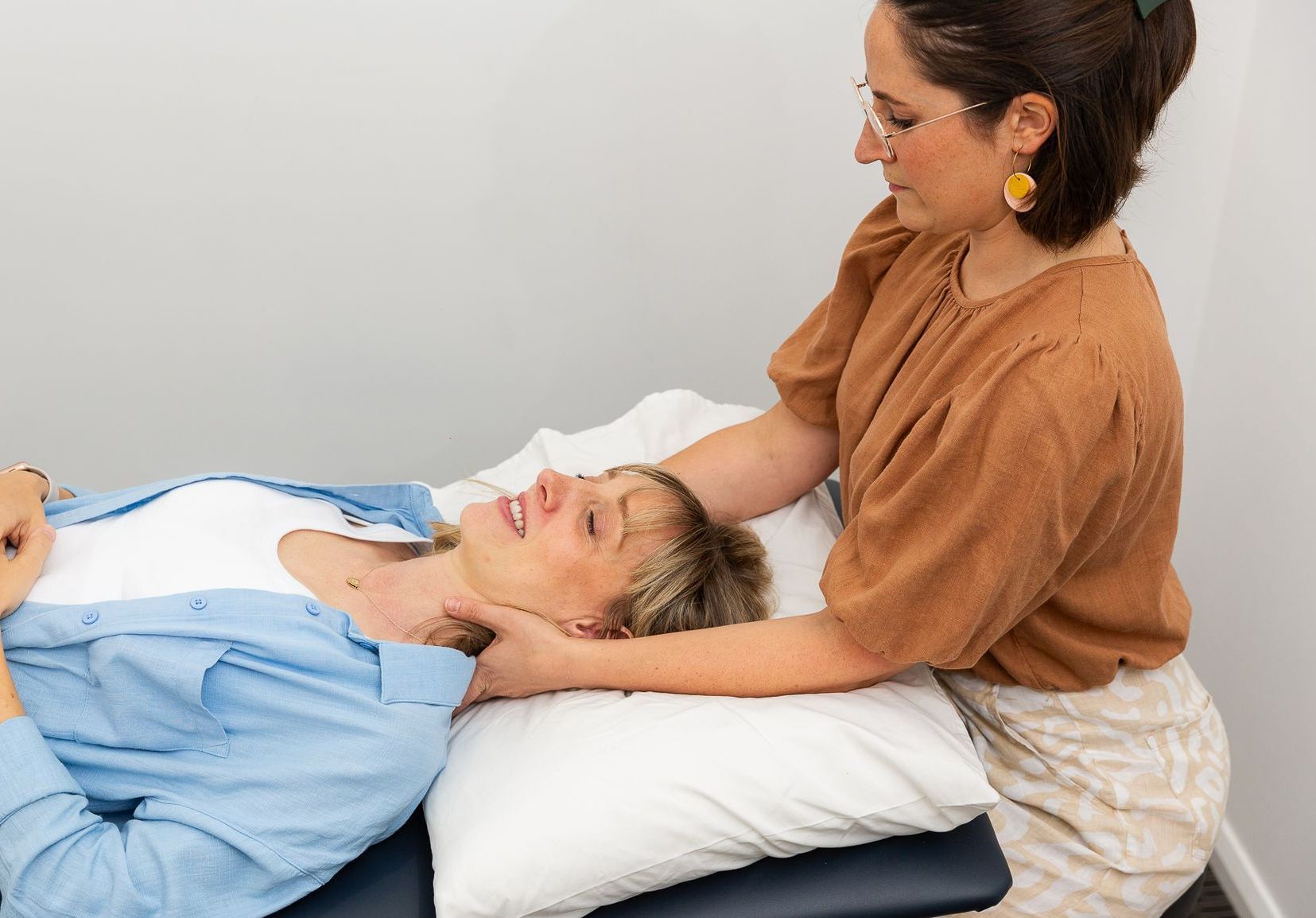
- Hands-on techniques to improve mobility
- Soft tissue work to reduce tension
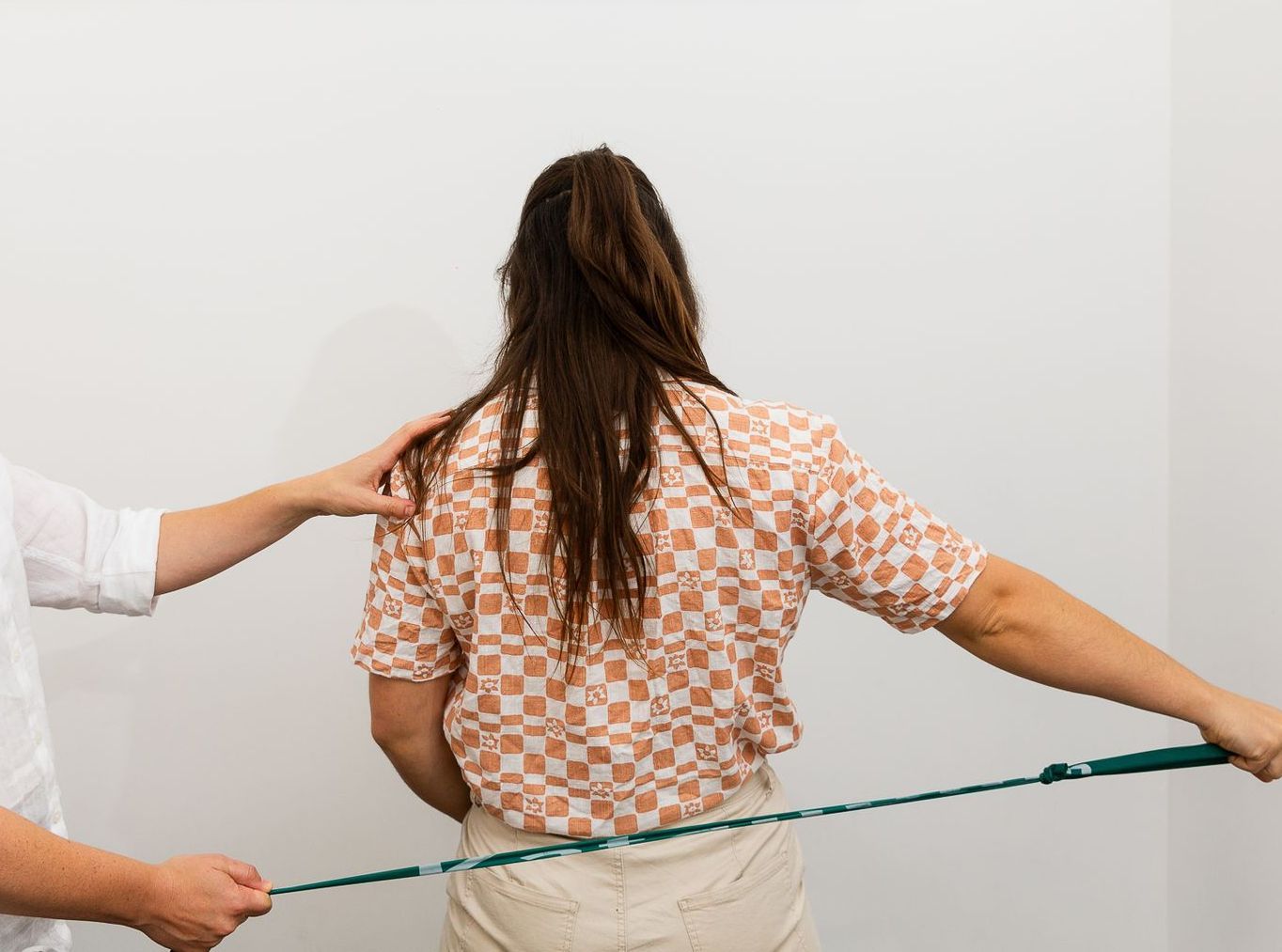
- Guidance on posture & movement
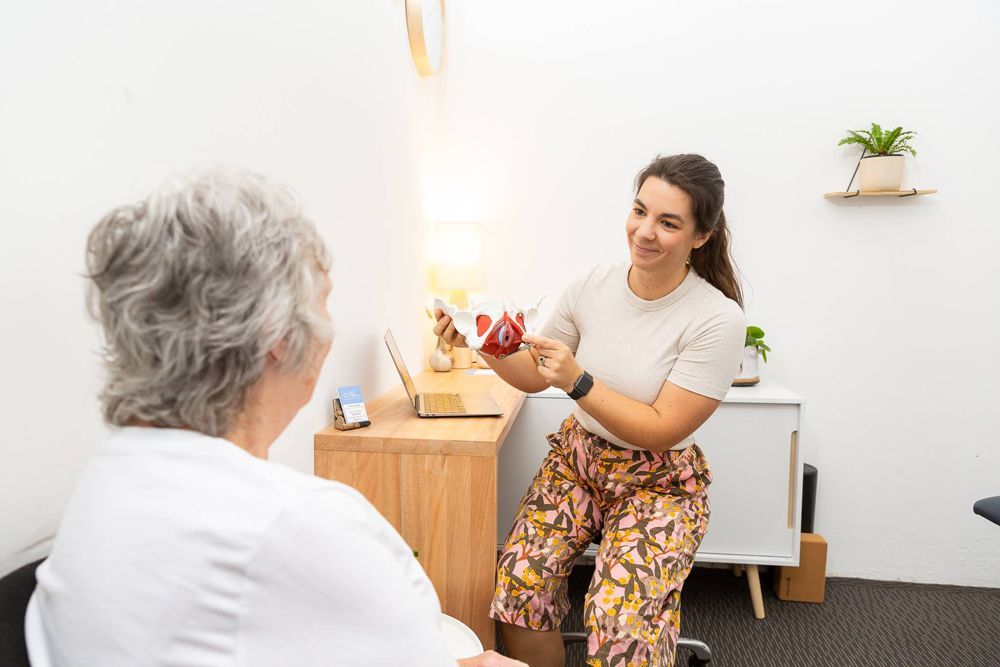
By combining manual treatment with education, osteopathy supports effective pain management and encourages active participation in recovery.
Supporting Long-Term Relief Through Movement & Care
Pain relief is only one part of the process. Sustainable outcomes depend on restoring movement, strength and confidence in daily activities.
Ongoing support may involve:
- Advice on activity modification
- Gentle exercises to maintain progress
- Strategies to reduce recurrence
This approach empowers individuals to manage their condition beyond appointments. For those seeking an osteopath in Wollongong, this focus on long-term function is a key part of effective care.
Knowing When It’s Time to See an Osteopath
Musculoskeletal pain shouldn’t be ignored when it begins to interfere with daily life. Early assessment can prevent minor issues from developing into more complex problems.
Signs it may be time to seek care include:
- Persistent or recurring pain
- Reduced range of motion
- Discomfort affecting sleep or work
An osteopathic clinic in Wollongong offers personalised assessments and guidance, tailored to individual needs, to support informed decisions about treatment and recovery.
Take the Next Step Toward Managing Pain
At Align Health Therapies, we offer pain management in Woonona, focusing on understanding the causes of discomfort and supporting practical, long-term outcomes. If pain is affecting your daily routine, contact us to discuss how osteopathic care may support your recovery and wellbeing.