How Osteopathy Supports Sports Injury Recovery
Anyone who trains regularly knows the moment when something doesn’t feel right. A sprint ends with a sharp pull in the calf, a heavy lift strains the lower back or a weekend game leaves a joint feeling stiff and slow to warm up. Sports injuries come in many forms, but they all interrupt rhythm, movement and confidence. That’s where osteopathy plays a supportive role. By taking a whole-body perspective, an osteopath in Wollongong can help active people understand what caused the problem, what movements are contributing to it and how to approach recovery in a safe, structured way.
When Movement Hurts: How Osteopaths Assess the Real Cause of a Sports Injury
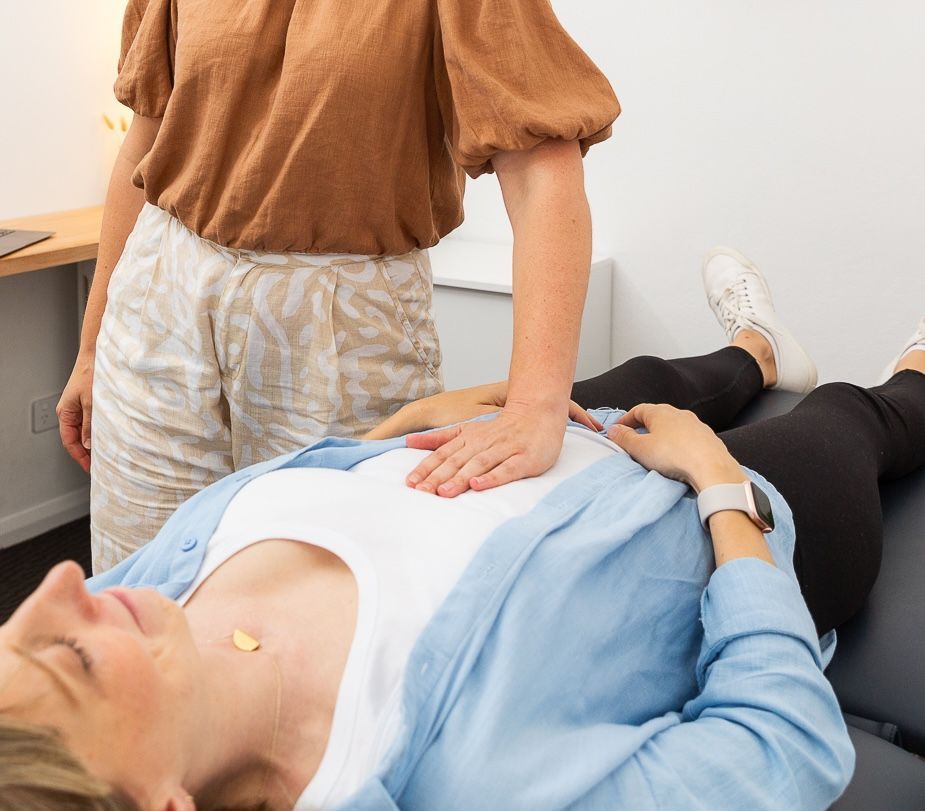
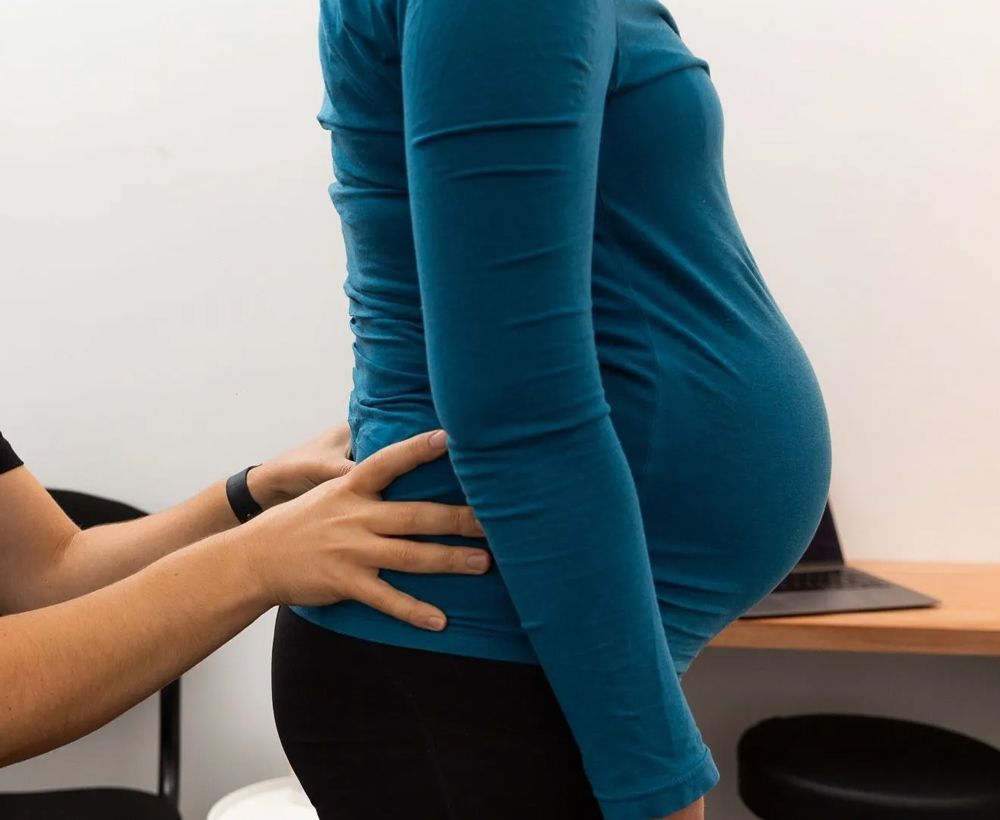
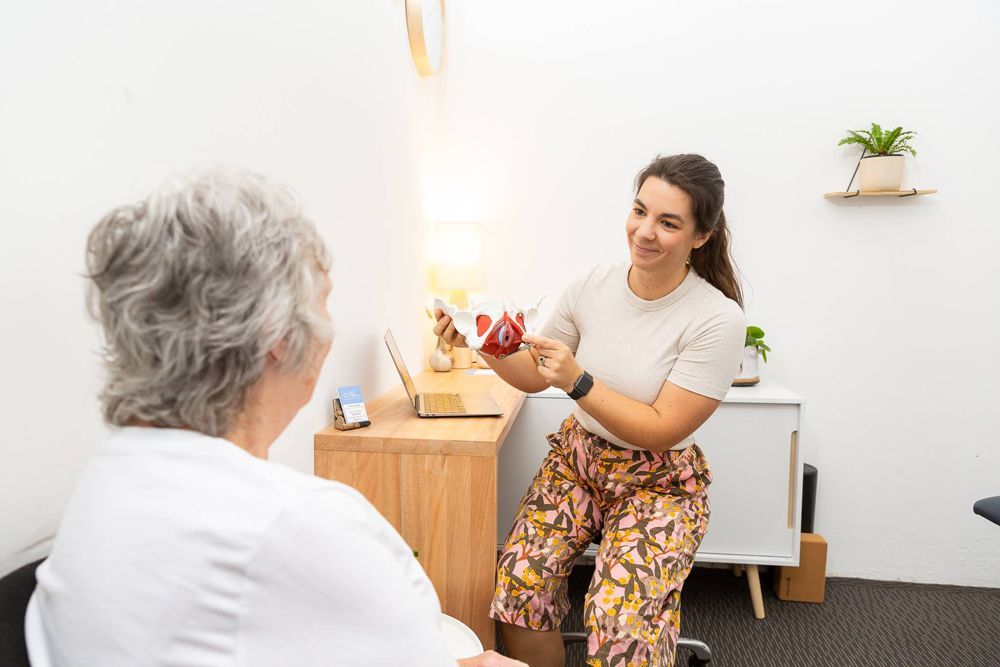
The first step in osteopathic care is a detailed assessment of how the body is moving. Instead of focusing only on the painful area, an osteopath looks at the bigger picture — how joints, muscles and posture all interact. This helps identify the underlying issues that contributed to the injury, whether it’s muscle imbalance, reduced mobility or overload during training. Common areas explored during an initial assessment include:
- The way your joints move through functional ranges
- Muscle tension patterns or weakness affecting performance
- Postural habits that add strain during sport or exercise
This broader evaluation helps guide treatment and supports a steady return to activity.
Beyond the Sore Spot: Why Osteopathy Looks at the Whole Body
Sports injuries rarely occur in isolation. A tight hip may lead to knee pain or a rounded upper back may contribute to shoulder strain. Osteopathy’s holistic approach means understanding how the body works as a connected system. By examining related muscles and joints, treatment can address the original cause rather than only the symptoms. This approach may include:
- Checking alignment and balance between the left and right sides of the body
- Assessing how core stability influences limb movement
- Reviewing foot mechanics, stride patterns or lifting technique
This whole-body focus supports functional recovery and helps athletes feel more balanced as they start moving again.
Hands-On Techniques That Support Healing and Mobility
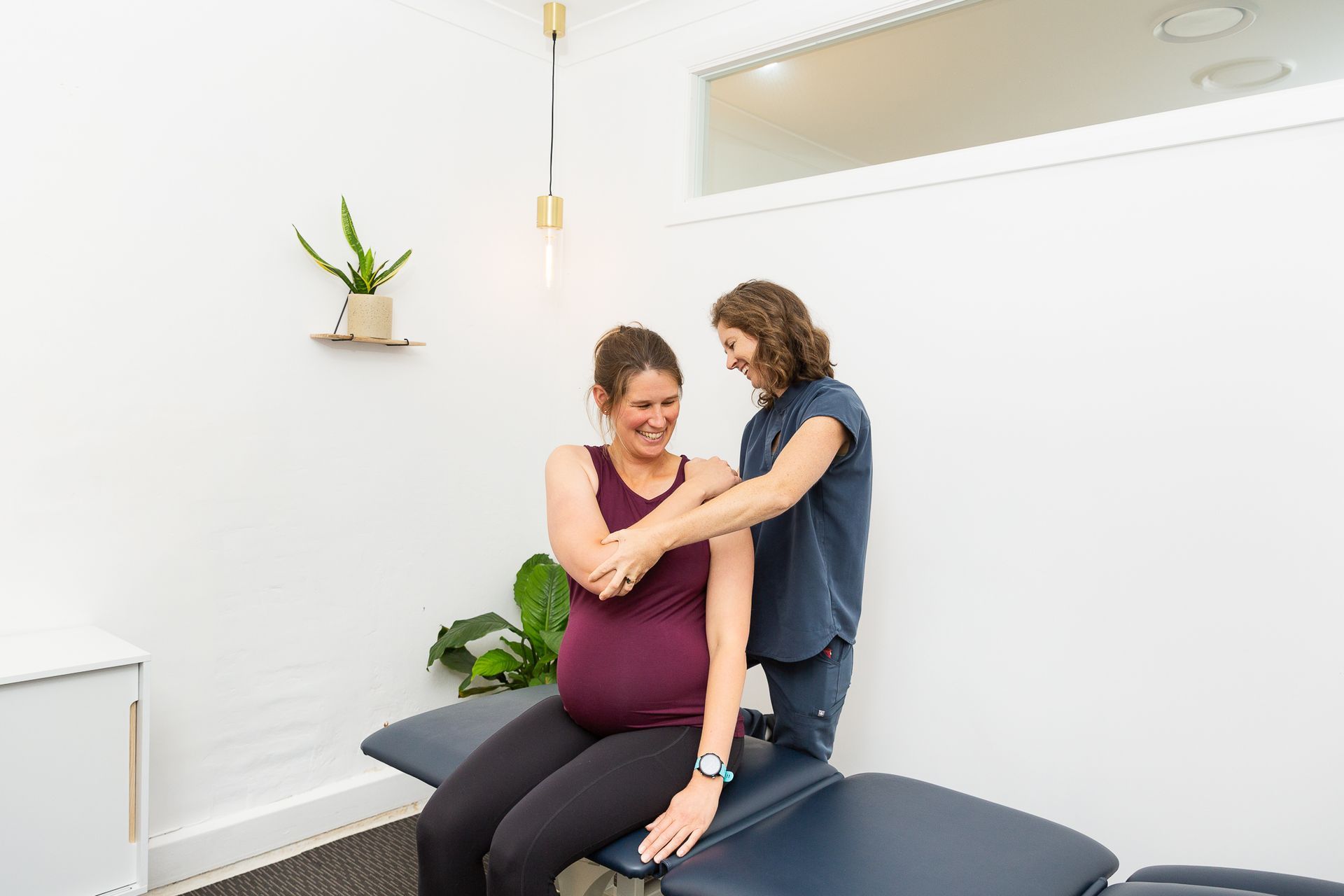
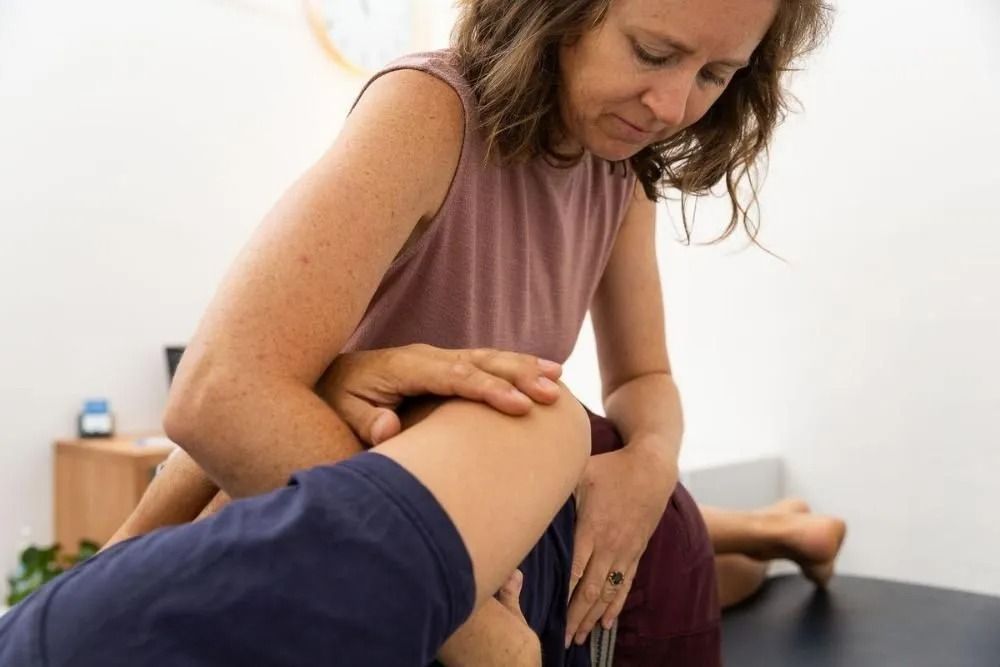
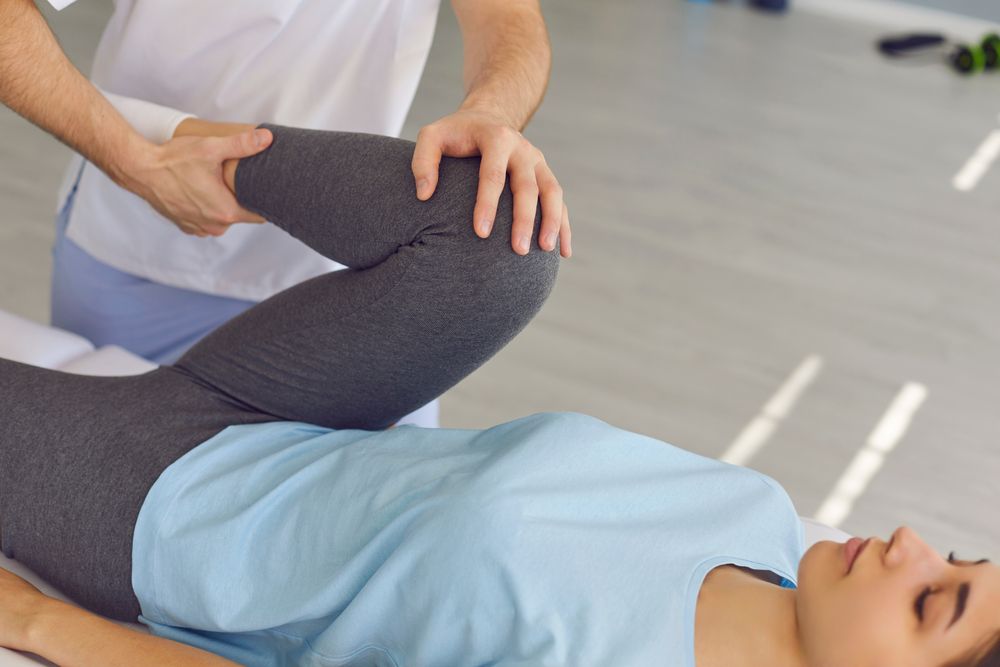
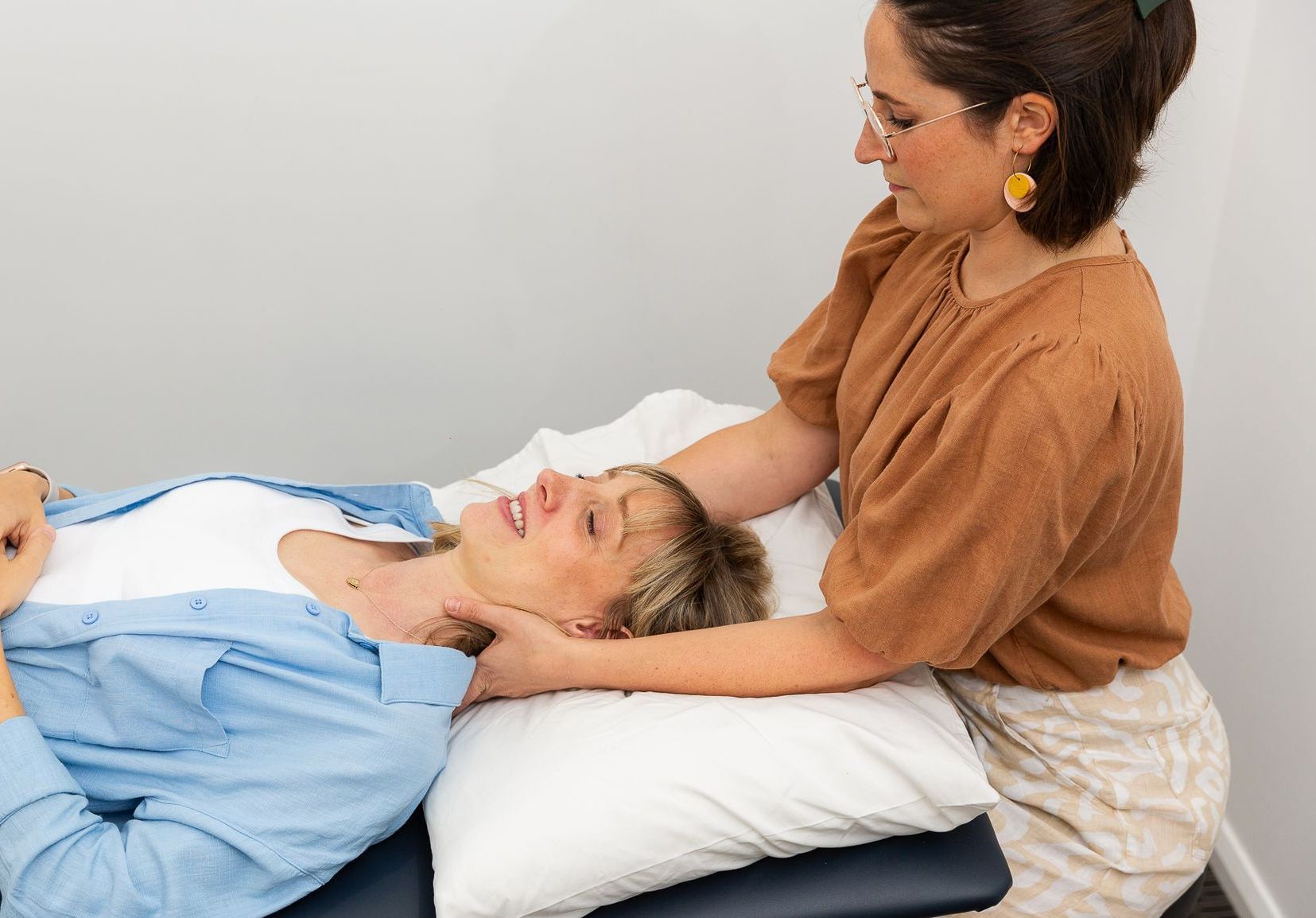
Osteopaths use a range of manual techniques designed to improve mobility, reduce tension and support the healing process. These techniques are selected based on your presentation, comfort and the type of injury you’re managing. The goal is to create more freedom in the tissues so the body can move with less restriction. Hands-on care may involve:
- Soft tissue techniques to ease tight muscles
- Joint mobilisation to support smoother movement
- Gentle stretching to reduce stiffness and improve flexibility
These treatments work together to create better conditions for recovery and improved comfort through everyday movement.
Restoring Balance After Strains, Sprains and Overuse Injuries
Many sports injuries develop gradually from repetitive strain or patterns that build up over time. Osteopaths look closely at these patterns to understand why certain areas are overloaded. Treatment focuses on restoring balance so the injured area is not under constant demand. Supportive strategies include:
- Reducing tension in muscles that are compensating for the injured site
- Improving joint mobility to reduce uneven loading
- Identifying training habits that may be contributing to the issue
This careful, structured approach allows athletes to move with more confidence and fewer setbacks.
Improving Posture and Body Mechanics to Prevent Repeat Injuries
While posture may not cause every sports injury, it can influence the way force travels through the body. Osteopaths often assess posture and movement patterns to spot areas that may benefit from improvement. Making small adjustments can have a meaningful impact on how the body handles stress during sport. These improvements may involve:
- Exercises to help stabilise the spine or pelvis
- Guidance on movement quality during running, lifting or daily activities
- Advice on workplace or training set-ups that reduce strain
Supporting posture and body mechanics helps create a more resilient foundation for athletic activity.
Building Strength Safely with Guided Rehabilitation Exercises
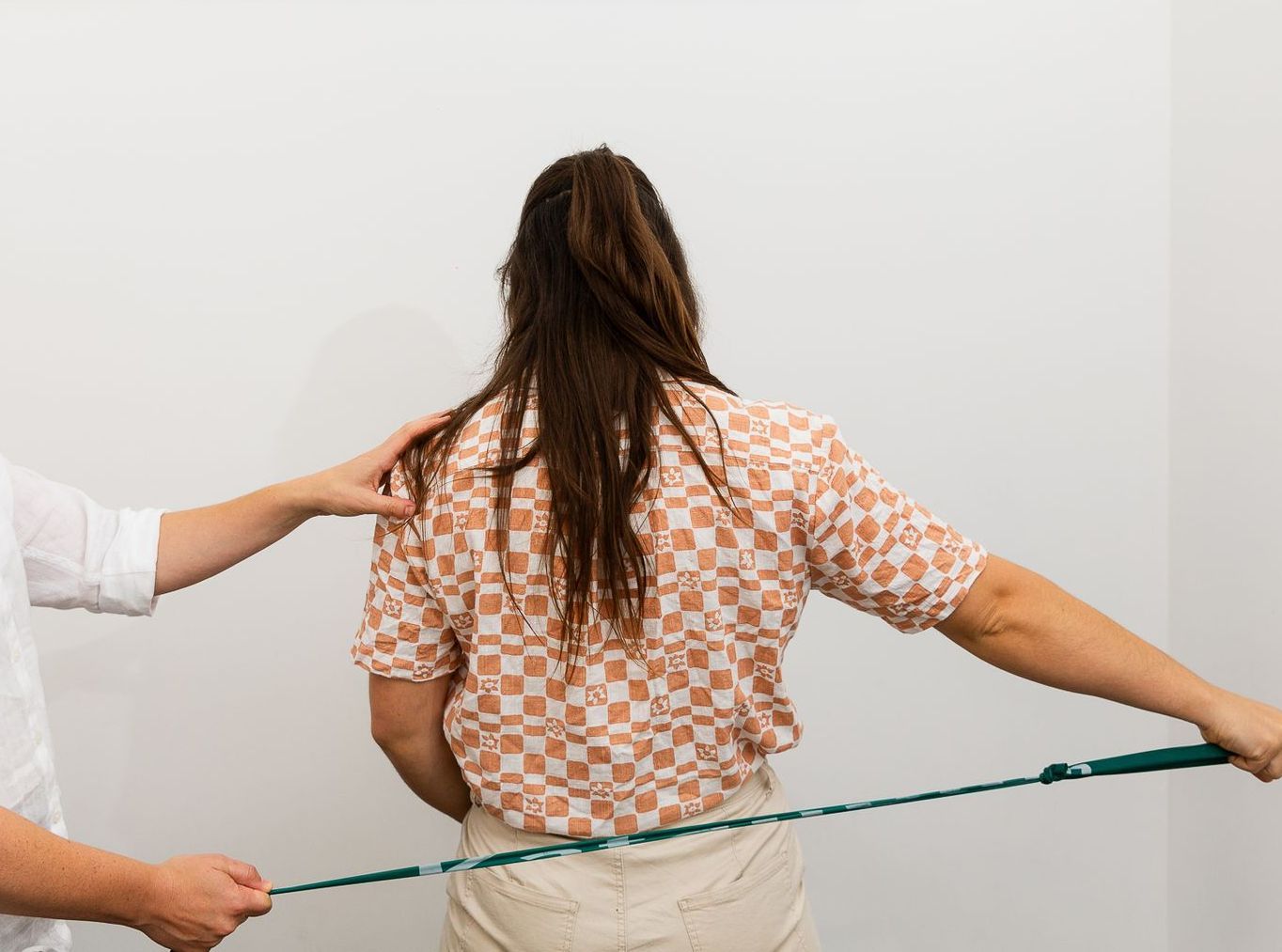
Rehabilitation isn’t just about healing — it’s also about rebuilding. Osteopaths often include strengthening and mobility exercises as part of a tailored plan. These exercises are gradually progressed to help restore stability, improve performance and reduce the chance of re-injury. Rehab exercises may include:
- Controlled strengthening for key stabilising muscles
- Balance and coordination drills to support joint control
- Stretching sequences to maintain mobility during recovery
This structured approach gives athletes a pathway back to training that feels safe, supportive and achievable.
When to See an Osteopath for Sports-Related Pain or Stiffness
Early attention can make a significant difference in how quickly a sports injury recovers. If pain lingers after training, or movement feels limited despite rest, it may be time to seek support from an osteopath. Acting early can prevent small issues from becoming more disruptive. Common signs that benefit from osteopathic care include:
- Ongoing tightness that returns quickly after stretching
- Discomfort during everyday movements such as bending, walking or lifting
- A sense that one side of the body is working harder than the other
Understanding these cues helps keep you active and engaged without pushing through avoidable discomfort.
The Role of Ongoing Care in Staying Active and Injury-Resilient
Recovery doesn’t end when pain settles. Many athletes benefit from ongoing care to maintain mobility, build strength and monitor progress as training loads increase. Regular check-ins help identify early signs of strain and adjust your program before issues develop into setbacks. Ongoing support may include:
- Follow-up treatments to maintain tissue mobility
- Updates to your rehabilitation plan as strength improves
- Guidance on load management during training or competition
This long-term approach helps active individuals stay confident, consistent and injury-resilient.
Arrange a Consultation
At
Align Health Therapies, we support individuals recovering from sports injuries with osteopathic care tailored to their movement, lifestyle and training needs. Our goal is to help you stay active and feel confident returning to the activities you enjoy. If you’re looking for support from an
osteopath in Wollongong or seeking guidance for ongoing recovery,
book an appointment and discuss your concerns with our team.