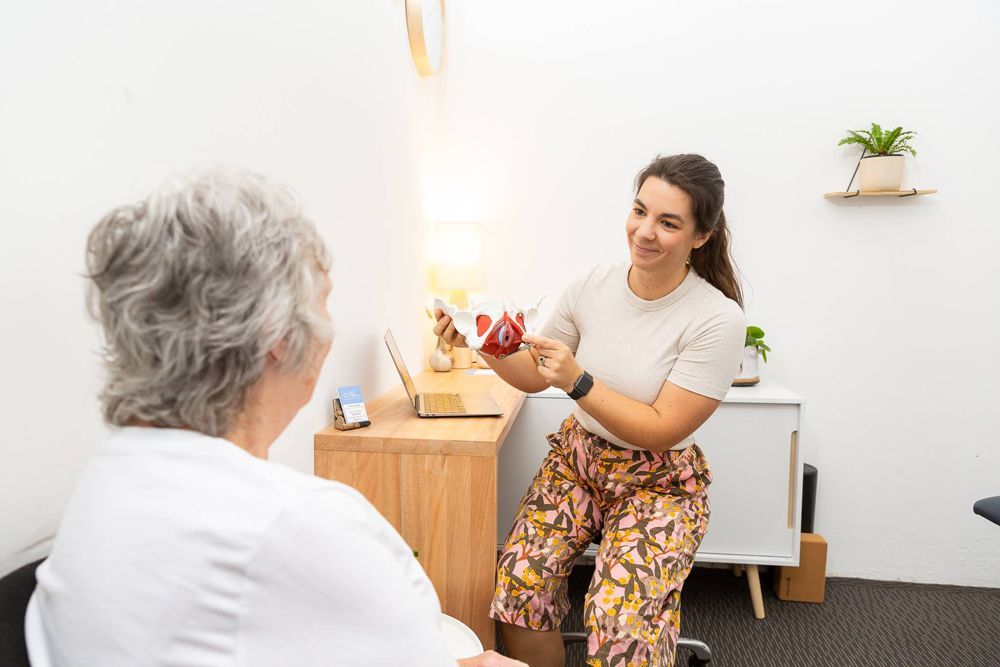
Postpartum Recovery: How An Osteopath In Wollongong Can Help You Heal
The weeks and months after childbirth are often described as a joyful blur. Amid feeding schedules, sleep deprivation and adjusting to life with a newborn, many mothers quietly manage aches and pains that feel like an expected part of recovery. Pelvic discomfort, lower back pain and muscle tension can become background noise in an already demanding season.
Yet postpartum recovery deserves careful attention. The body has undergone significant physical change throughout pregnancy and birth. Muscles stretch, ligaments soften and posture shifts to accommodate a growing baby. Once delivery has occurred, the body must gradually restore balance and strength. Seeking support from an
osteopath in Wollongong can help new mothers recover more comfortably and with greater confidence.
Understanding the Physical Impact of Pregnancy and Birth
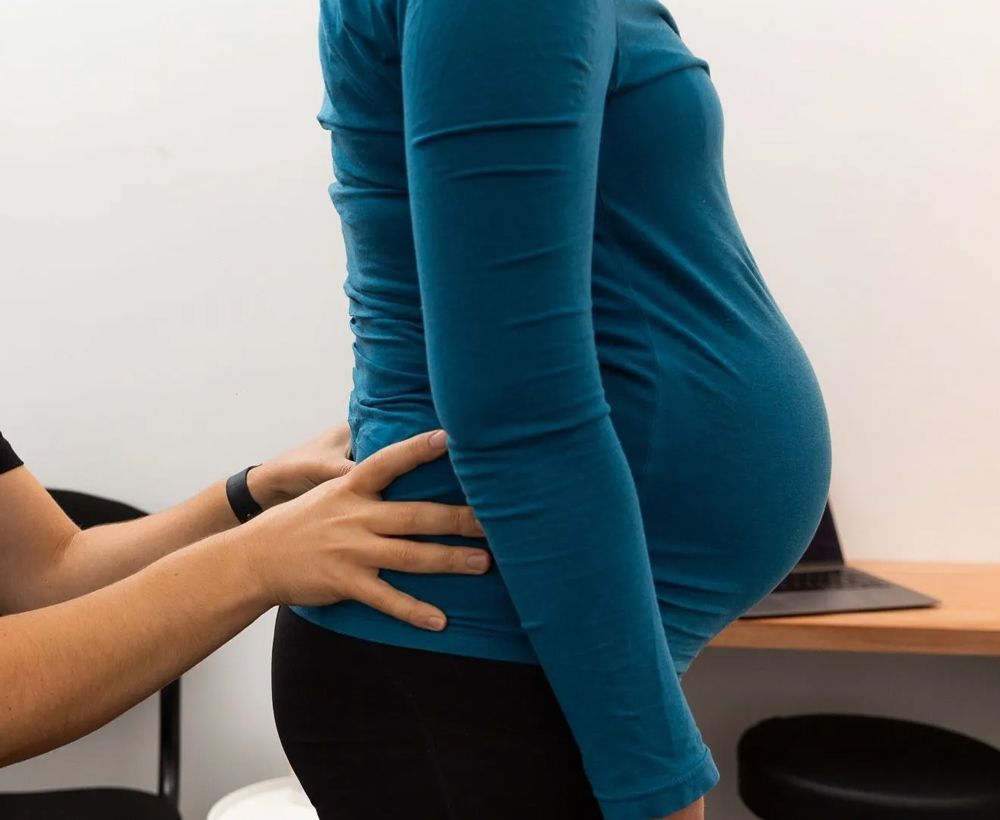
Pregnancy places sustained strain on the musculoskeletal system. Hormonal changes increase ligament laxity, particularly around the pelvis, to prepare the body for childbirth. As the abdomen expands, the centre of gravity shifts forward, altering posture and loading patterns through the spine and hips.
After birth, many women experience:
- Pelvic girdle discomfort
- Lower back pain
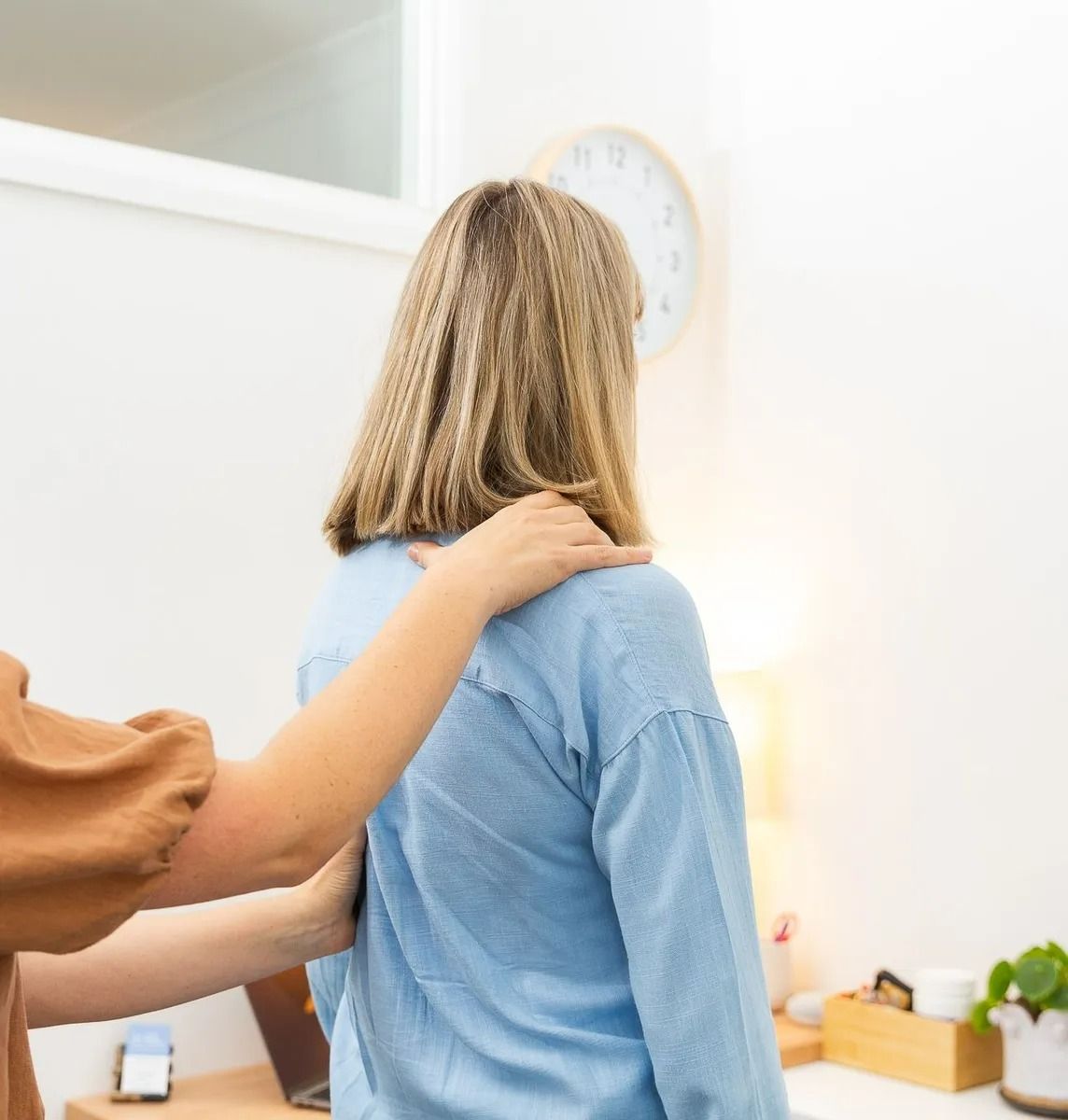
- Neck and shoulder tension from feeding and carrying
- Abdominal muscle weakness
- Joint stiffness
These symptoms can persist if not addressed. An osteopathic approach focuses on identifying areas of restriction or imbalance that developed during pregnancy and labour, then supporting the body’s natural recovery process.
Common Postpartum Conditions Osteopathy Can Address
Postpartum pain is not limited to one area. The interconnected nature of the body means that strain in one region can influence another.
An osteopathic clinic in Wollongong may assist with:
- Pelvic instability and sacroiliac joint discomfort
- Lower back strain
- Thoracic spine tightness
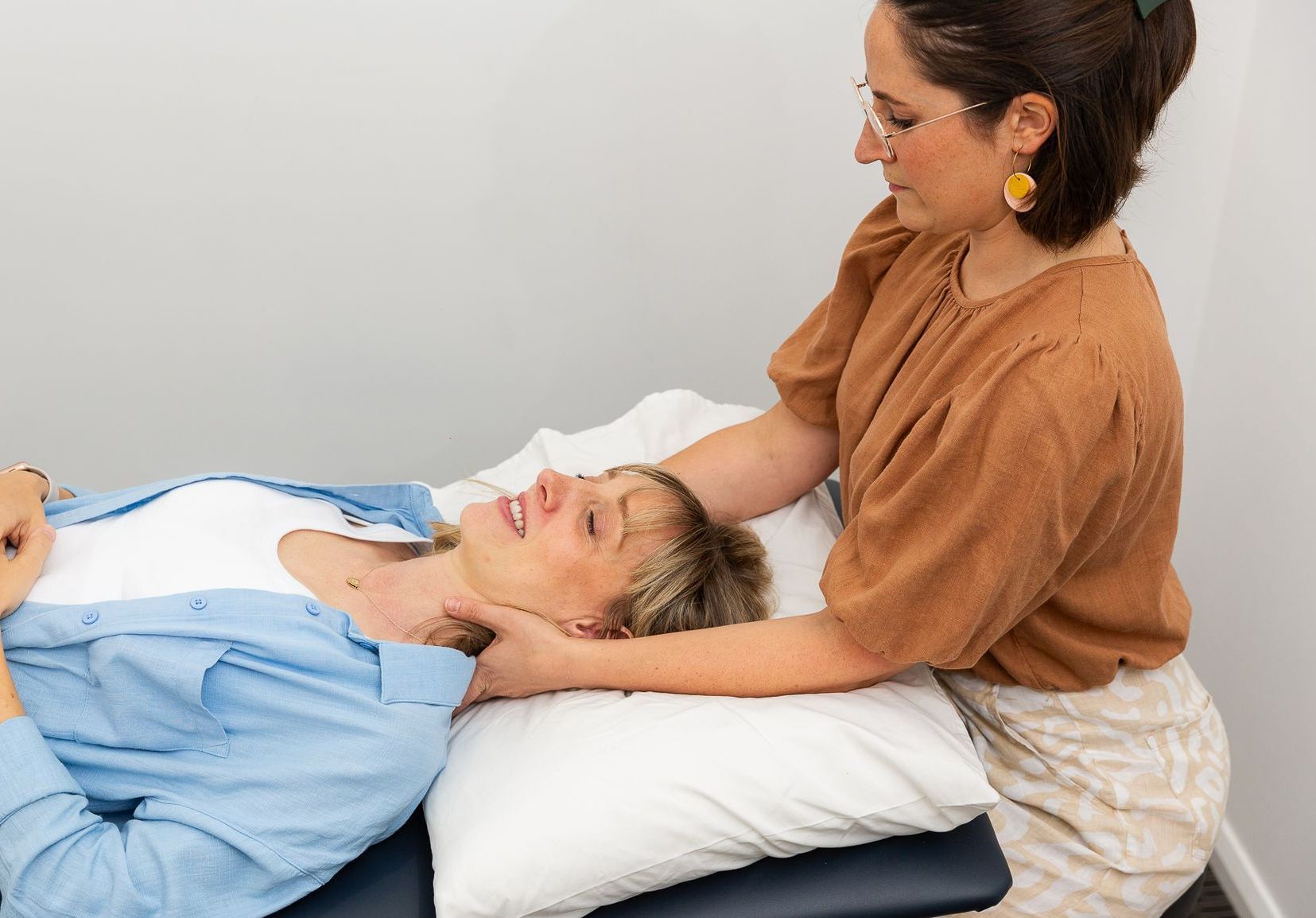
- Neck pain and headaches
- Wrist and shoulder tension from lifting and feeding
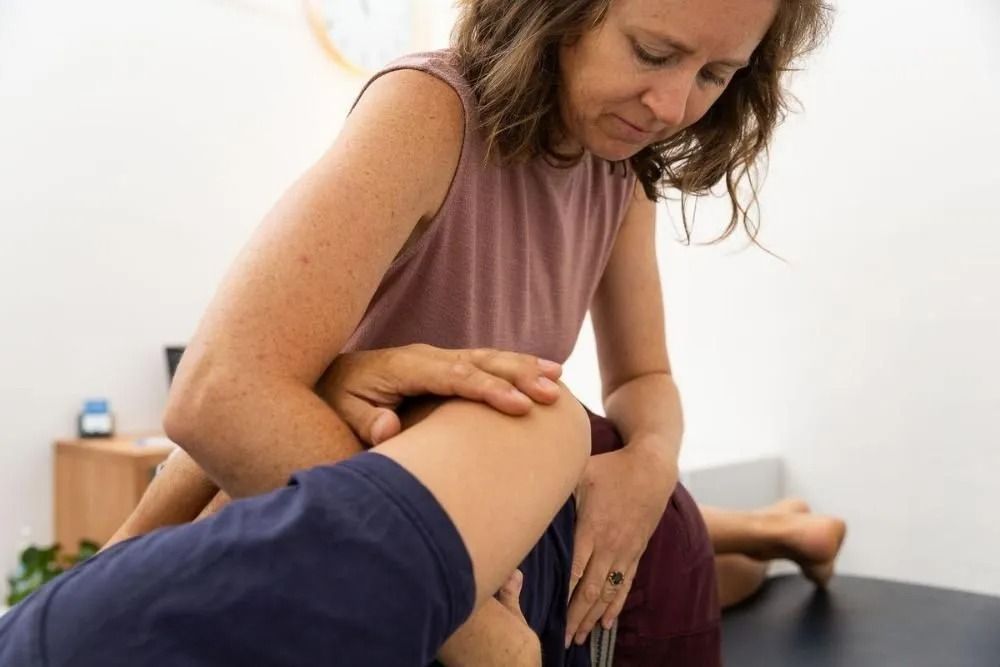
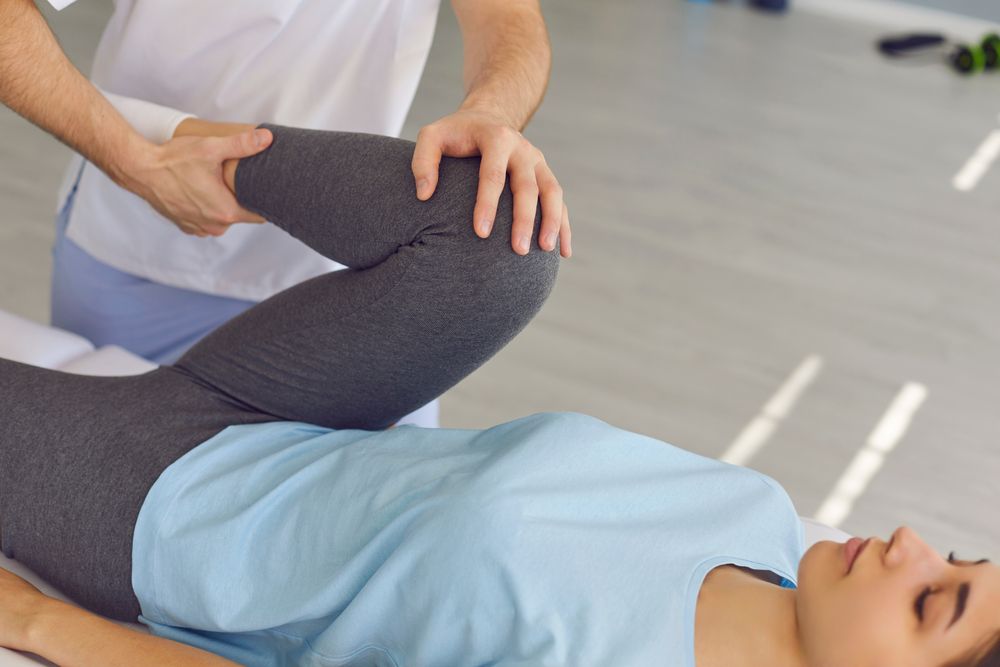
Treatment is tailored to the individual, taking into account the type of birth, whether vaginal or caesarean, and any complications experienced. Gentle manual techniques aim to restore mobility and reduce muscular tension while respecting the body’s healing timeline.
Why Early Assessment Matters
Some women delay seeking support because discomfort feels manageable or temporary. However, unaddressed restrictions can contribute to ongoing issues.
Early osteopathic assessment may help to:
- Identify compensatory movement patterns
- Reduce the likelihood of chronic pain
- Support pelvic alignment
- Improve overall mobility
Timely care does not mean rushing recovery. Rather, it provides guidance and reassurance during a period when many mothers are unsure what is normal and what may require attention.
Pelvic Health and Core Stability
The pelvic floor and abdominal muscles play a central role in postpartum recovery. During pregnancy, these structures stretch significantly. After delivery, gradual strengthening and coordination are essential.
Osteopathic care can complement pelvic health exercises by:
- Addressing tension around the pelvis
- Improving joint mobility
- Supporting balanced muscle activation
- Encouraging optimal posture
When the pelvis moves efficiently, surrounding muscles can function more effectively. This supports stability during everyday activities such as lifting a baby, carrying a capsule, or pushing a pram.
Managing Postural Strain in Early Motherhood
New mothers often spend extended periods feeding, rocking and holding their baby. These repetitive positions can lead to rounded shoulders, forward head posture and mid-back stiffness.
Over time, this strain may result in:
- Persistent neck and upper back pain
- Shoulder tightness
- Tingling or discomfort in the arms
- Tension headaches
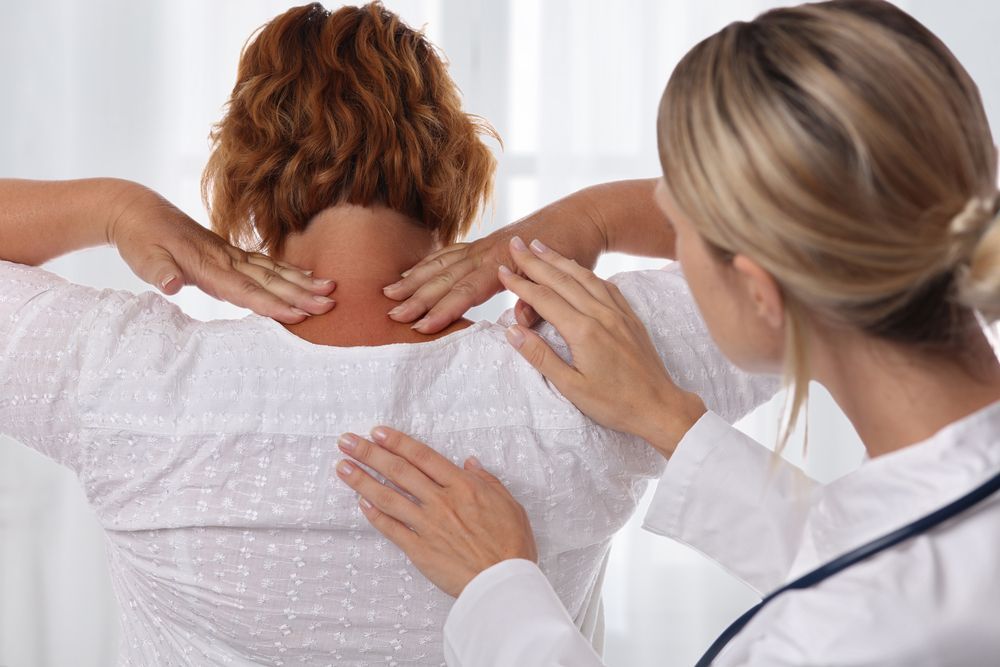
An osteopath in Wollongong can assess how posture and daily routines are affecting the body. Treatment may involve gentle mobilisation, soft tissue techniques, and practical advice on positioning during feeding and carrying.
Small adjustments in posture can reduce strain and support comfort throughout the day.
Supporting Recovery After Caesarean Birth
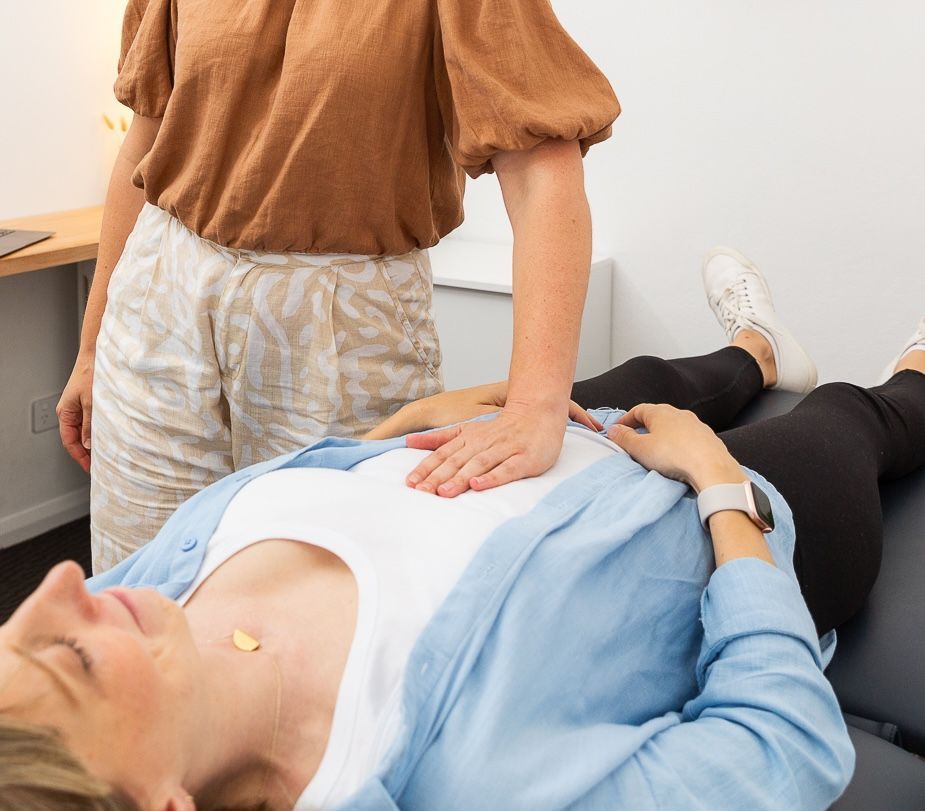
A caesarean birth is major abdominal surgery. In addition to caring for a newborn, the body must heal from a surgical incision that affects muscles, fascia and surrounding tissues.
Osteopathic care can assist by:
- Addressing tension around the incision site once medically appropriate
- Supporting mobility in the lower back and pelvis
- Reducing compensatory strain in other areas
- Encouraging balanced movement patterns
Treatment is always adapted to the stage of healing. The goal is to support safe recovery while respecting surgical guidelines.
The Role of Holistic Pain Management
Pain management in the postpartum period should consider the whole person. Fatigue, emotional adjustment and hormonal changes all influence how the body responds to discomfort.
We Provide Pain Management in Woonona through a holistic osteopathic approach that considers lifestyle, posture and movement patterns alongside hands-on treatment. This may include:
- Gentle manual therapy
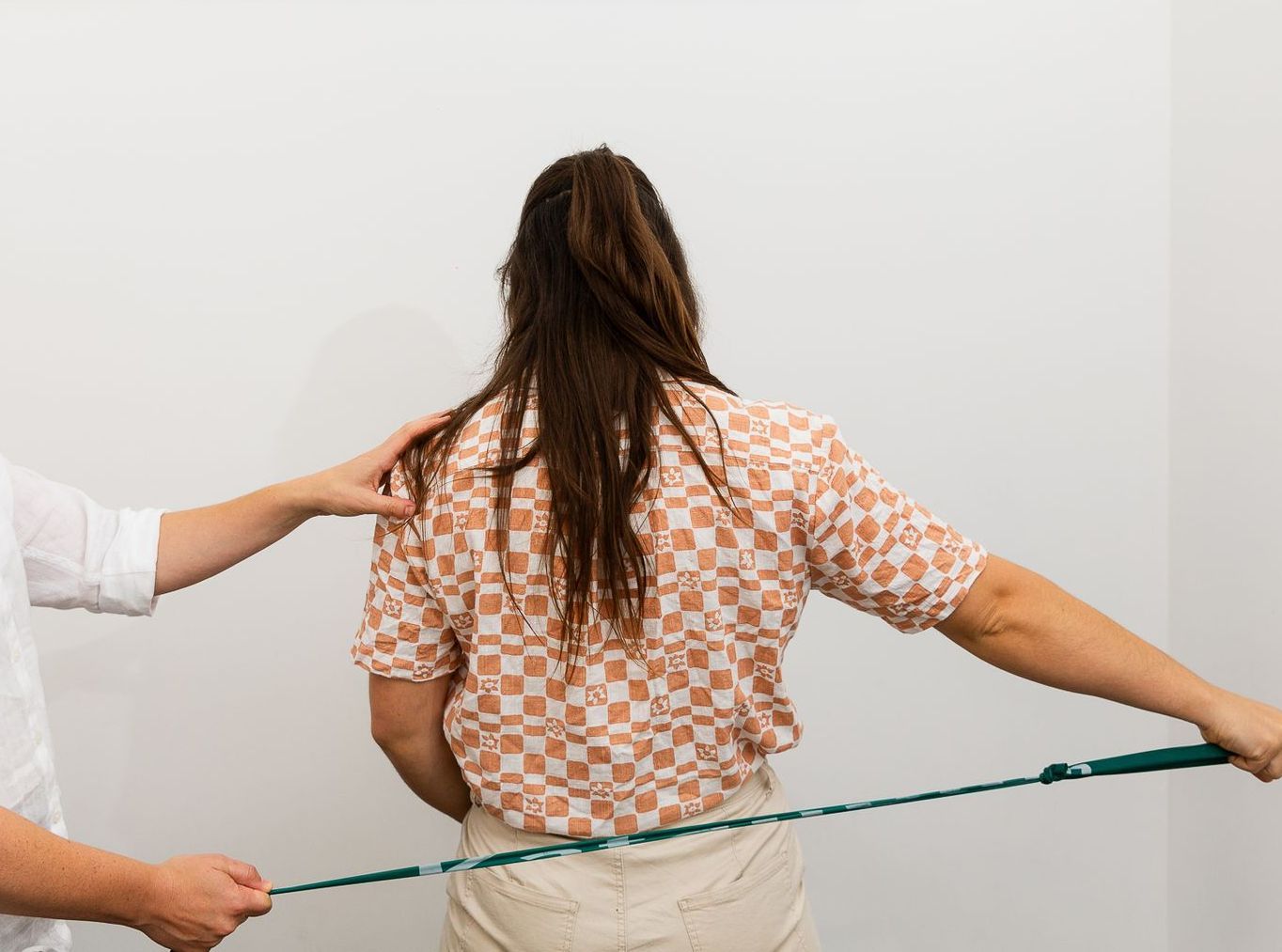
- Movement advice and tailored exercises
- Education about body mechanics
- Guidance on gradual return to activity
Rather than masking symptoms, osteopathy aims to address underlying mechanical contributors to pain.
Encouraging Confidence and Self Care
Postpartum recovery is not a race. Each woman’s experience is unique. Some may feel ready to return to exercise within weeks, while others require more time to rebuild strength and mobility.
Osteopathic care can empower mothers by:
- Providing clarity about what is typical in recovery
- Offering reassurance and practical strategies
- Supporting gradual progression in activity
- Encouraging body awareness and balance
Professional support can help mothers prioritise their own wellbeing alongside caring for their baby. When pain is reduced and movement improves, daily tasks often feel more manageable.
When to Consider Seeing an Osteopath
It may be helpful to consult an osteopathic clinic in Wollongong if you experience:
- Ongoing pelvic or back discomfort
- Difficulty returning to normal movement
- Persistent neck or shoulder tension
- Concerns about posture
- Pain that interferes with daily activities
Even mild symptoms can benefit from assessment, particularly if they persist beyond the early weeks after birth.
Supporting Your Healing Journey
We at Align Health Therapies understand the physical demands placed on new mothers in Wollongong and surrounding areas. Our team provides gentle, individualised care designed to support safe and effective recovery during the postpartum period. Through our pain management services in Woonona, we focus on helping you regain balance, comfort and confidence in your body.
If you are experiencing back pain, pelvic discomfort or ongoing muscle tension after birth, visit our website to learn more or
contact us to book an appointment. With the right support, recovery can feel steadier and more manageable as you adjust to this new chapter.